Possessive Pronouns in German (Possessivpronomen) – A1.1
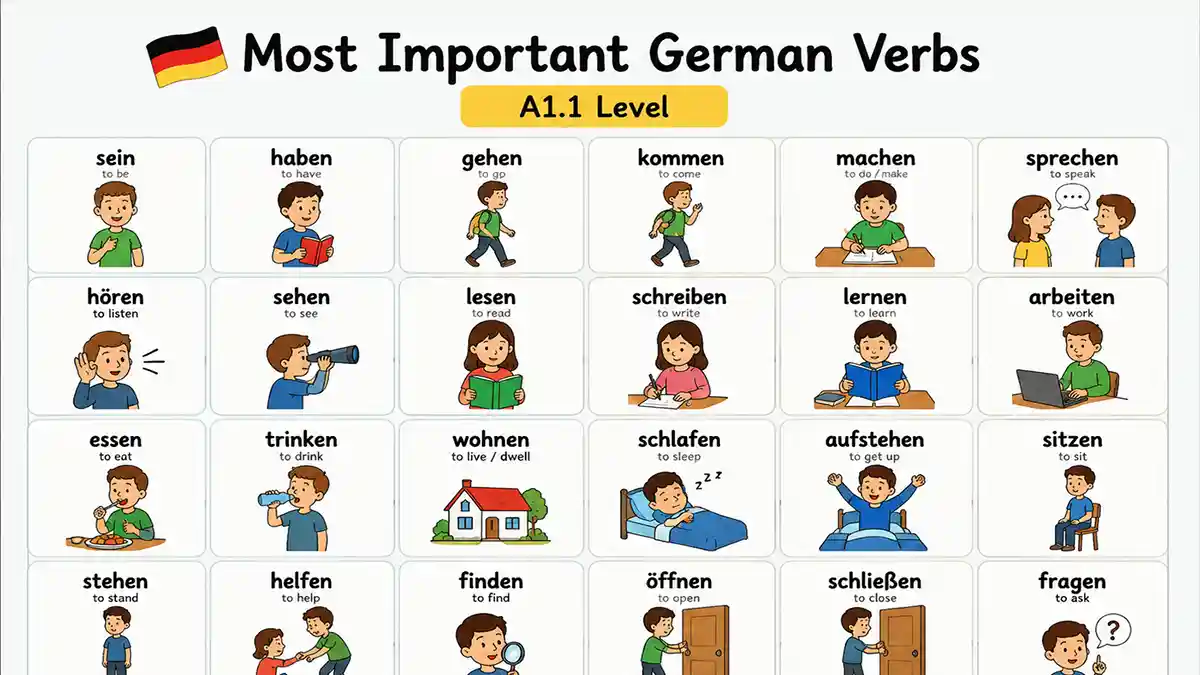
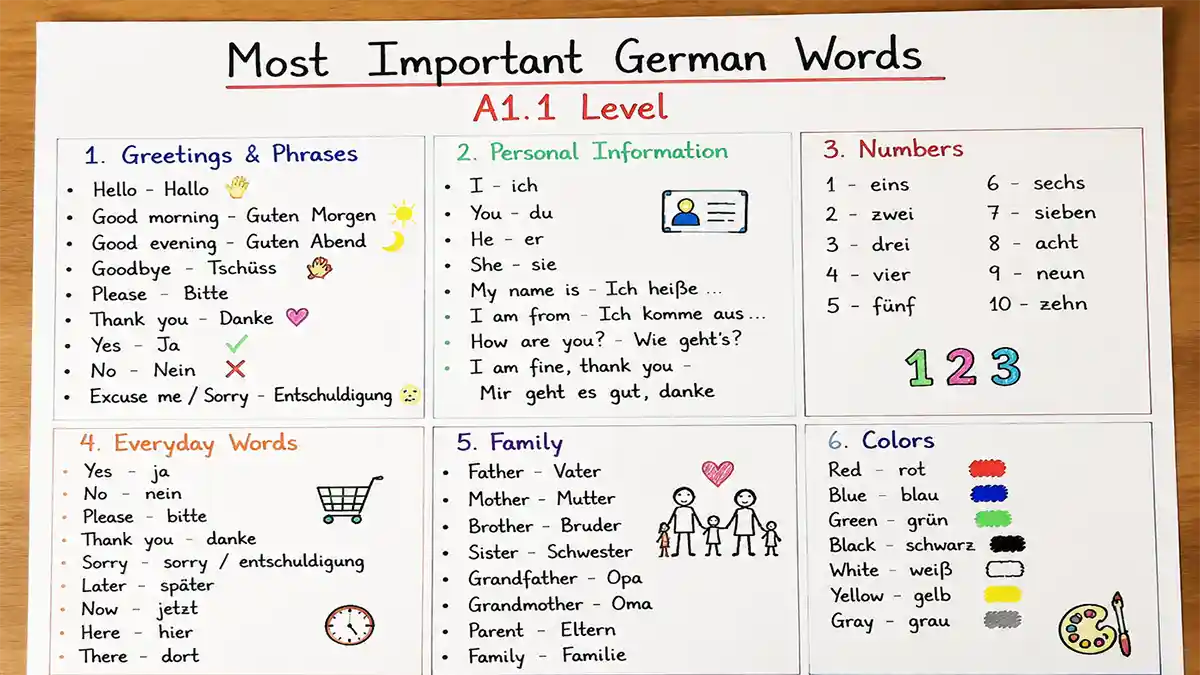
Possessive pronouns are among the most essential building blocks in beginner German grammar. They are used daily to express ownership and belonging, such as: my book, your car, his house, our school, and other frequent expressions. You can explore more beginner topics in our Key A1.1 Vocabulary guide or practice your core verbs with our Essential German Verbs lesson.
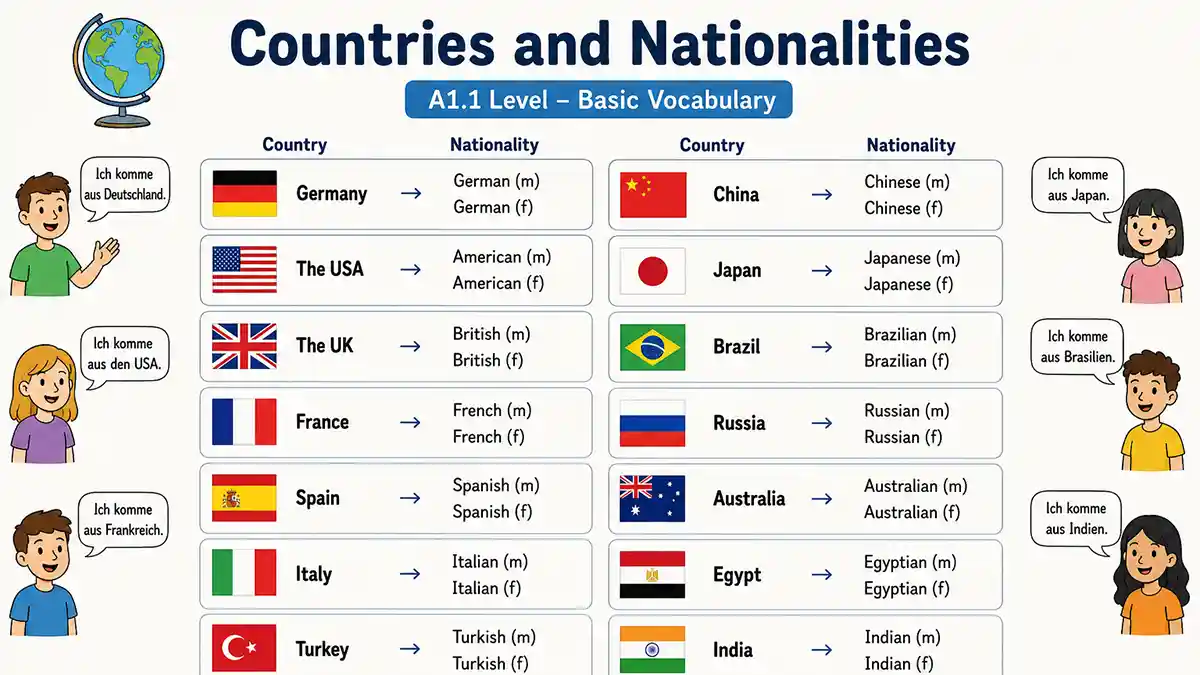
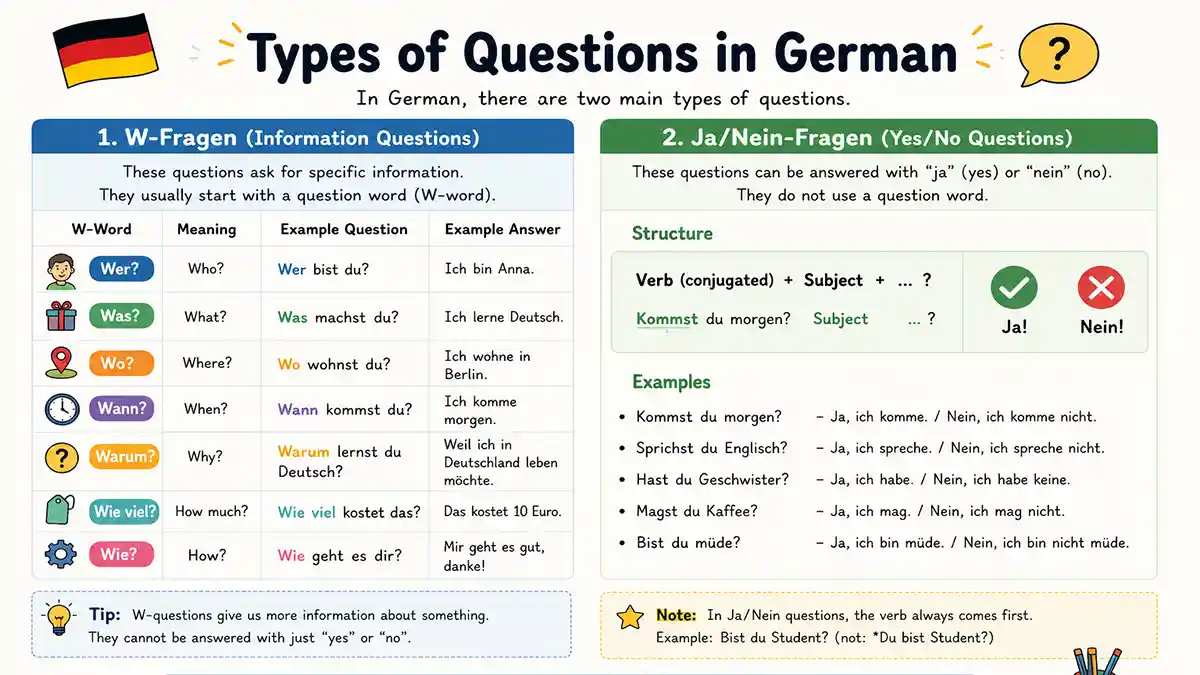
Mastering German Possessive Pronouns (Possessivpronomen) empowers you to build grammatically correct sentences and talk about your belongings and others' possessions with ease. In this guide, we break down the rules with interactive examples and clear tables. For structural context, you can also check out our guides on Countries and Nationalities and Forming Questions in German.
To put your knowledge into practice and test your understanding, take our German possessive pronouns exercises A1 to review grammatical cases and pronoun endings.
Every word in this guide supports interactive high-definition audio. Please ensure you open this page inside Google Chrome browser to experience full audio functionality.
What Are Possessive Pronouns?
Possessive pronouns are words used to indicate that something belongs to a specific person. You can also explore our Levels Hub to find more learning paths.
Core Possessive Pronouns in German
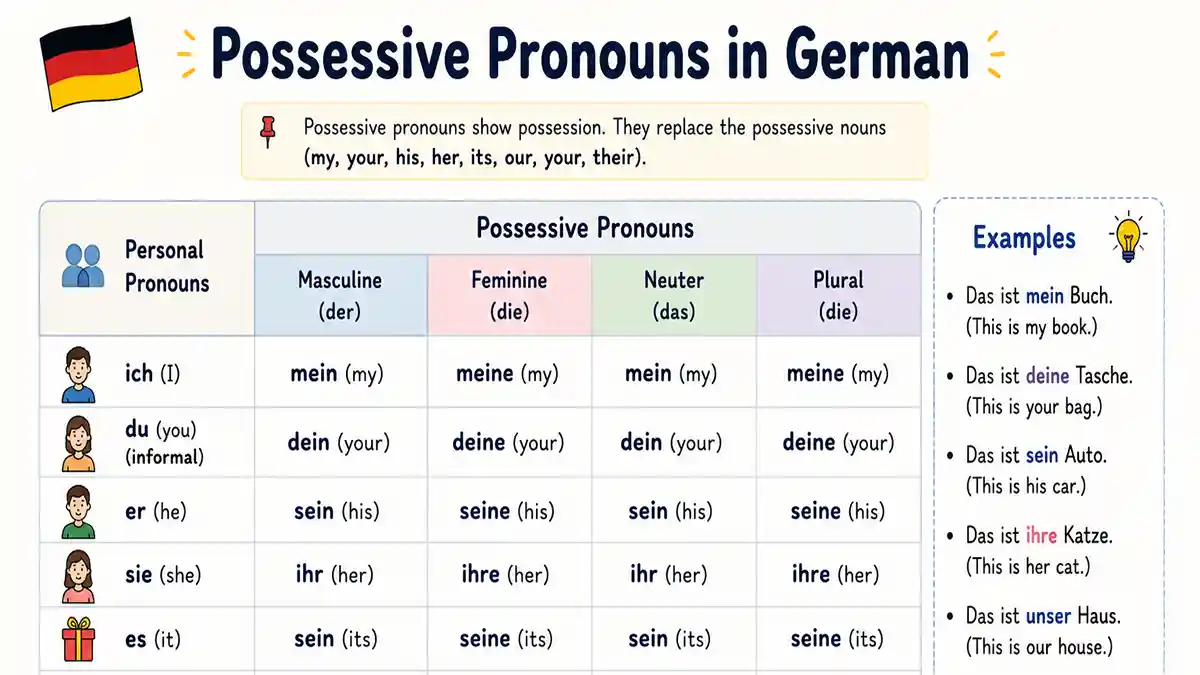
Possessive pronouns correspond directly to personal pronouns, which makes them very straightforward to memorize.
| Personal Pronoun (Personalpronomen) | Meaning | Possessive Pronoun (Possessivpronomen) | Listen |
|---|---|---|---|
| ich | I | mein | |
| du | you (informal singular) | dein | |
| er | he | sein | |
| sie | she | ihr | |
| es | it | sein | |
| wir | we | unser | |
| ihr | you (informal plural) | euer | |
| sie | they | ihr | |
| Sie | you (formal singular & plural) | Ihr |
Endings for Noun Genders (Nominative Case)
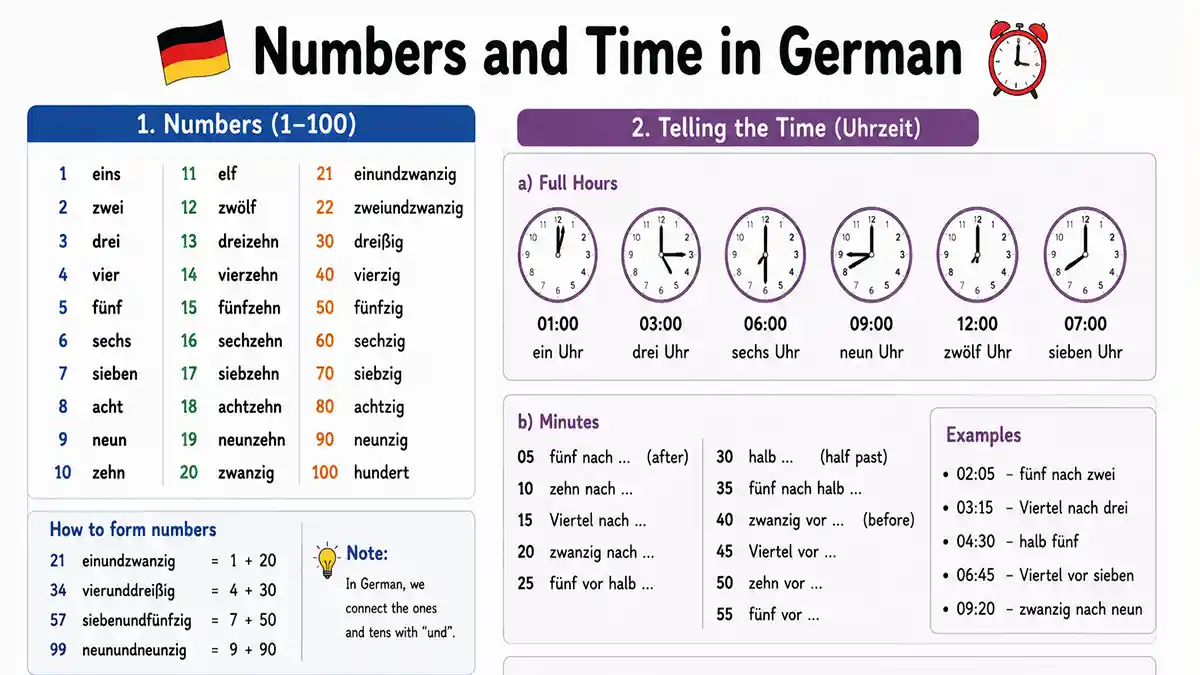
Possessive pronouns change their endings depending on the grammatical gender of the following noun in the nominative case (Nominativ). To practice number tracking, visit our Numbers and Telling Time page.
Base form (No ending added)
Base form (No ending added)
Add ending -e
Context Examples for All Pronouns
Sentences showcasing how possessive pronouns function naturally in German conversation.
Differences: sein vs. ihr vs. Ihr
Understanding owner-gender distinction and formal vs. informal usage.
Used when the owner is male.
Ali hat ein Auto. Das ist sein Auto.
Ali has a car. That is his car.
Used when the owner is female.
Sara hat ein Auto. Das ist ihr Auto.
Sara has a car. That is her car.
Refers to her or their depending on context.
Das ist ihr Haus.
That is her house / That is their house.
Used exclusively for formal address (Sie).
Ist das Ihr Auto?
Is that your car? (Formal)
Daily Conversation Phrases
Practical everyday expressions utilizing possessive pronouns in German. Test your skills interactively via our Learn & Play section.
Common Mistakes to Avoid
Frequent pitfalls beginner students face with endings or capitalization.
Pro Tips for Mastering Possessive Pronouns at A1.1
Link Pronouns to Original Articles
The secret to mastering possessive pronouns (Possessivpronomen) lies in learning the original grammatical article (der, das, die) of each noun. Once you know the noun's gender, determining the correct pronoun ending becomes effortless. Make it a habit to memorize every new noun alongside its article to apply possessive rules seamlessly.
Daily Practice and Application
Don't leave grammar rules as static tables in your memory. Practice using pronouns in everyday scenarios: look at objects around you and say out loud, "Das ist mein Stift" or "Das ist meine Tasche". Vocal repetition trains your mind to attach the correct endings automatically without pausing to calculate the rule.
Move Forward with Confidence
By mastering possessive pronouns in the nominative case (Nominativ), you have laid a solid foundation for building clear and accurate German sentences. Keep practicing and don't worry about initial mistakes—every attempt brings you closer to fluency. Stay tuned for upcoming lessons on how these pronouns shift in other cases like Akkusativ.
Frequently Asked Questions (FAQ)
What are possessive pronouns in German?
They are words like mein (my), dein (your), or sein (his) that indicate ownership or belonging.
Do possessive pronoun endings change?
Yes. In the nominative case (Nominativ), they take no ending with masculine and neutral nouns (e.g., mein Vater, mein Auto), but add an -e ending with feminine and plural nouns (e.g., meine Mutter, meine Bücher).
How do I differentiate between 'sein' and 'ihr'?
Sein means 'his' (when the owner is male or neutral), whereas ihr means 'her' (when the owner is female).
References & Educational Resources
Approved Textbooks & Curriculum Materials
This lesson has been structured and verified using certified German learning references:
- Duden Online Wörterbuch - Standard reference for German grammar.
- Goethe-Zertifikat A1 Wordlist - Goethe-Institut.
- Menschen A1 Kursbuch - Hueber Verlag.