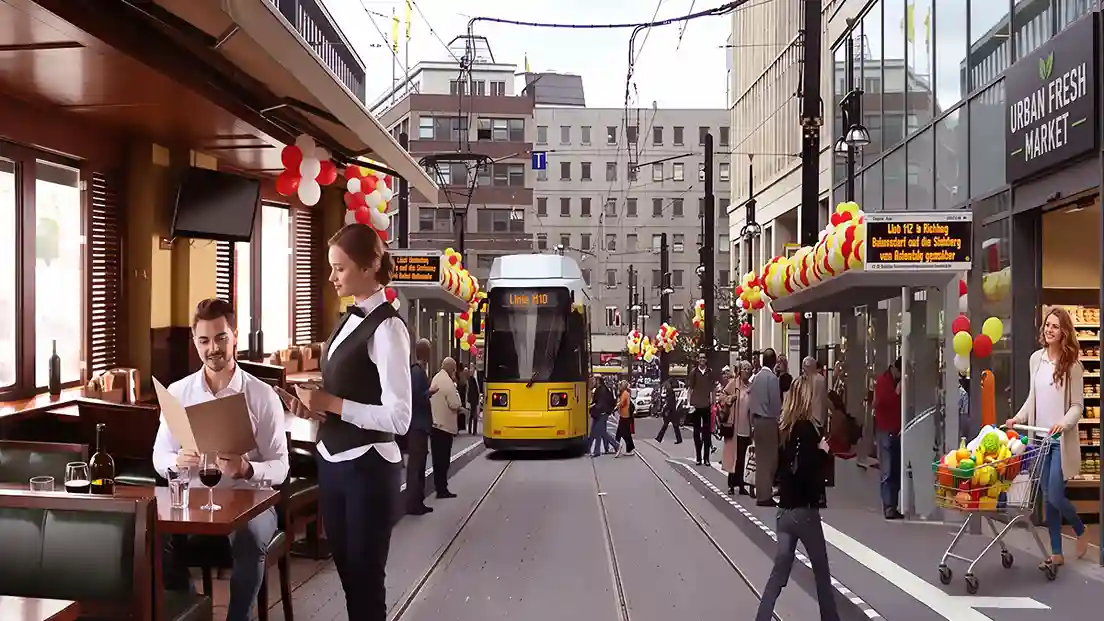
Navigating everyday situations in German—especially for newcomers and travelers in German-speaking countries (Germany, Austria, and Switzerland)—starts with mastering essential phrases. These expressions are widely used in spontaneous, direct interactions, whether dining at a restaurant, taking public transit, or grocery shopping.
This comprehensive guide from our learning platform DeutschPlay German Learning offers key conversational expressions categorized by the most frequent real-life scenarios, equipped with interactive native audio playback to help build your speaking fluency.
Interactive Audio Pronunciation: Every German phrase in this guide is paired with an audio playback button in natural German pronunciation. Click the speaker icon next to any phrase to listen immediately and practice your accent.
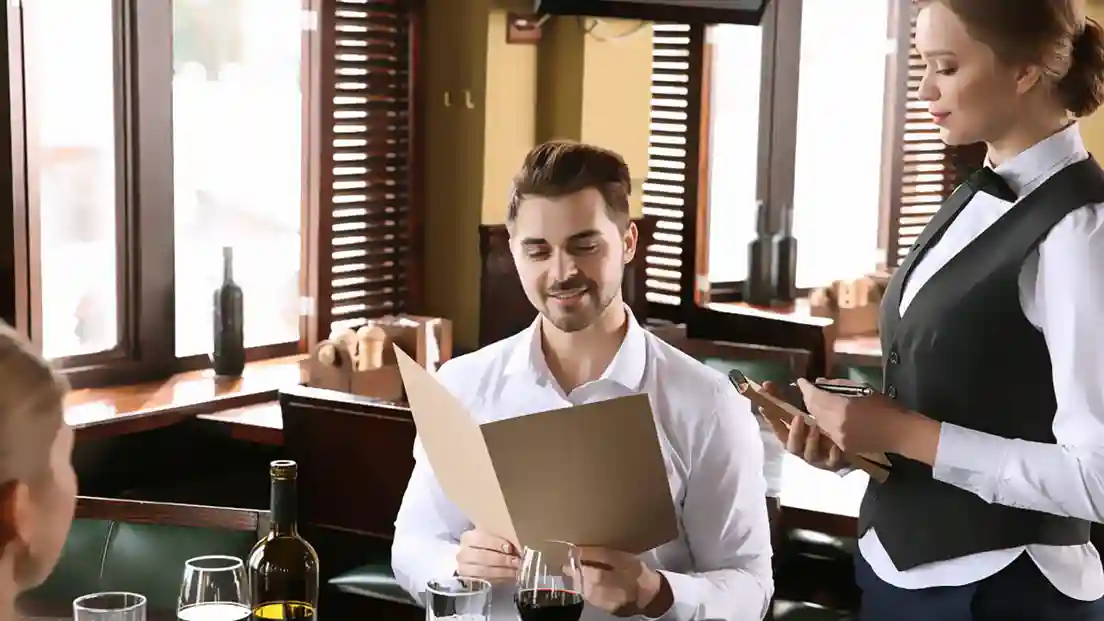
1. Common Phrases in Restaurants & Cafés (Im Restaurant & Im Café)
From reserving a table and ordering meals to paying the bill and tipping etiquette.
Conversational guide for ordering meals, reservations, and paying in German eateries
Interactions in German dining establishments are characterized by politeness and directness: asking for an available table, browsing the menu, placing orders, and concluding with payment and tipping (Trinkgeld). Here is a breakdown of the key expressions used throughout the dining experience:
Die Tasse (Pl: die Tassen)Cup / Mug (for hot drinks)
Die Serviette (Pl: die Servietten)Napkin
1. Reserving a Table & Getting Seated
Einen Tisch für zwei Personen, bitte.A table for two, please.
Ich habe einen Tisch auf den Namen... reserviert.I have reserved a table under the name...
Ist dieser Platz noch frei?Is this seat still available?
Können wir uns dorthin setzen?Can we sit over there?
2. Asking for Menus & Ordering Food
Enhance your vocabulary with our interactive German Food & Drinks Game, and use these polite Konjunktiv II ordering phrases:
Die Speisekarte / Getränkekarte, bitte.The menu / drinks list, please.
Haben Sie ein Tagesmenü / Tagesangebot?Do you have a daily special / menu of the day?
Was können Sie empfehlen?What can you recommend?
Ich hätte gerne... / Ich möchte bitte...I would like to have... / I would like..., please (polite Konjunktiv II form).
Für mich bitte ein Wasser ohne Kohlensäure (still).Still water for me, please (no gas).
Ein Bier vom Fass, bitte.A draft beer, please.
To expand your vocabulary, check out the guide on German food vocabulary and groceries, covering fruits, vegetables, meats, and daily essentials with English translations.
Gibt es hier vegetarische / vegane Optionen?Are there vegetarian / vegan options available?
Ist dieses Gericht scharf?Is this dish spicy?
Ich bin allergisch gegen Nüsse / Gluten / Laktose.I am allergic to nuts / gluten / lactose.
Ohne Zwiebeln / Schweinefleisch, bitte.Without onions / pork, please.
4. During & After the Meal
Guten Appetit!Enjoy your meal! / Bon appétit!
Prost! / Zum Wohl!Cheers! / To your health!
Das Essen schmeckt hervorragend / sehr lecker.The food tastes excellent / very delicious.
Entschuldigung, meine Bestellung fehlt noch.Excuse me, part of my order is still missing.
Könnten wir noch etwas Brot / Salz haben?Could we have some extra bread / salt?
5. Asking for the Bill & Tipping (Die Rechnung & Trinkgeld)
Zahlen, bitte! / Wir möchten bitte bezahlen.The check, please! / We would like to pay.
Zusammen oder getrennt?Together or separately? (Standard question asked by German servers).
Getrennt, bitte.Separately, please (split check).
Kann ich mit Karte zahlen?Can I pay by card?
Nur Barzahlung?Cash only?
Stimmt so.Keep the change (The standard phrase when tipping the server).
Advertisement
Restaurant Culture & Tipping in Germany (Trinkgeld & Kultur)
In German restaurants, tip (Trinkgeld) is rarely left on the table after leaving. Instead, the amount is rounded up directly when paying the waiter. The customary tip usually ranges between 5% to 10% of the total bill.
Practical Example: If the bill is 18.20 euros, you can give the waiter a 20 euro note and say: "Stimmt so" (Keep the change / That's fine), or say "Machen Sie 20 Euro bitte", and they will return the change to you based on that amount.
2. Public Transportation & Navigation (Öffentliche Verkehrsmittel & Unterwegs)
Navigating trains, metro systems, buses, taxis, and buying tickets smoothly.
Essential transit phrases for trains, buses, and asking for directions
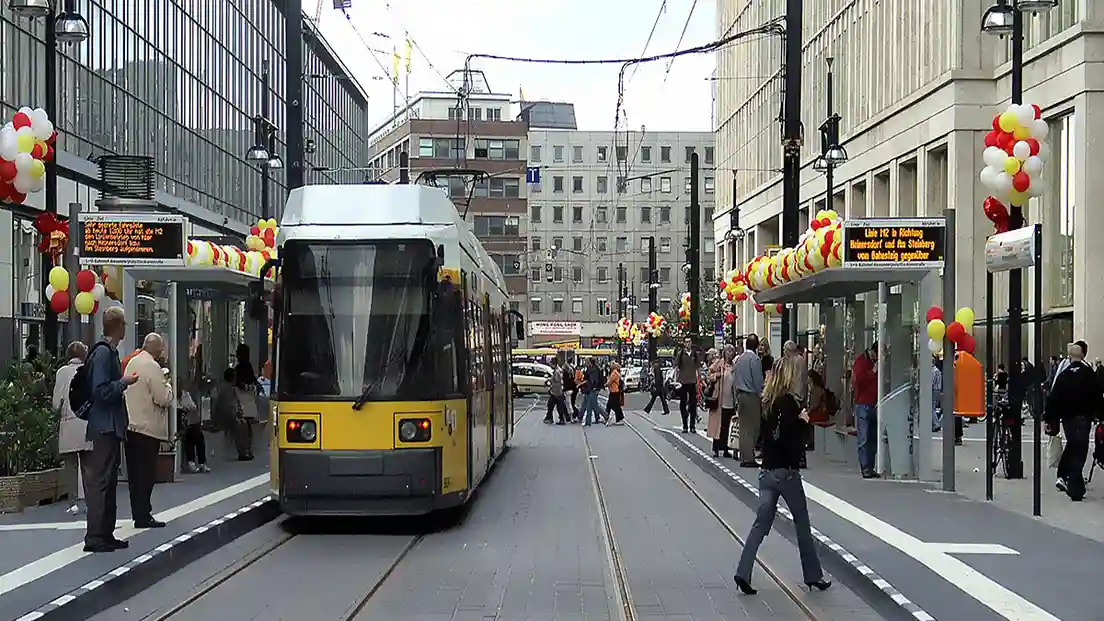
German cities feature highly punctual public transit systems including regional commuter trains (S-Bahn), subways (U-Bahn), trams (Straßenbahn), and city buses (Busse). Knowing the standard ticket terminology and transit phrases ensures smooth travel and helps avoid fines:
1. Buying Tickets & Inquiries
Eine Fahrkarte / Ein Ticket nach [Stadt], bitte.A ticket to [City name], please.
Einfache Fahrt oder hin und zurück?One-way or round-trip?
Ein Einzelticket / Ein Tagesticket / Ein Gruppenticket.A single ticket / A day ticket / A group ticket.
Muss ich das Ticket entwerten / abstempeln?Do I need to validate / stamp the ticket?
Gilt das Ticket für Kurzstrecke?Is this ticket valid for short journeys (Kurzstrecke)?
Gilt hier das Deutschlandticket?Is the Deutschlandticket valid here?
Practical vocabulary for items, bottle recycling (Pfand), pricing, and checkout.
German shopping terminology, Pfand return system, and checkout dialogs
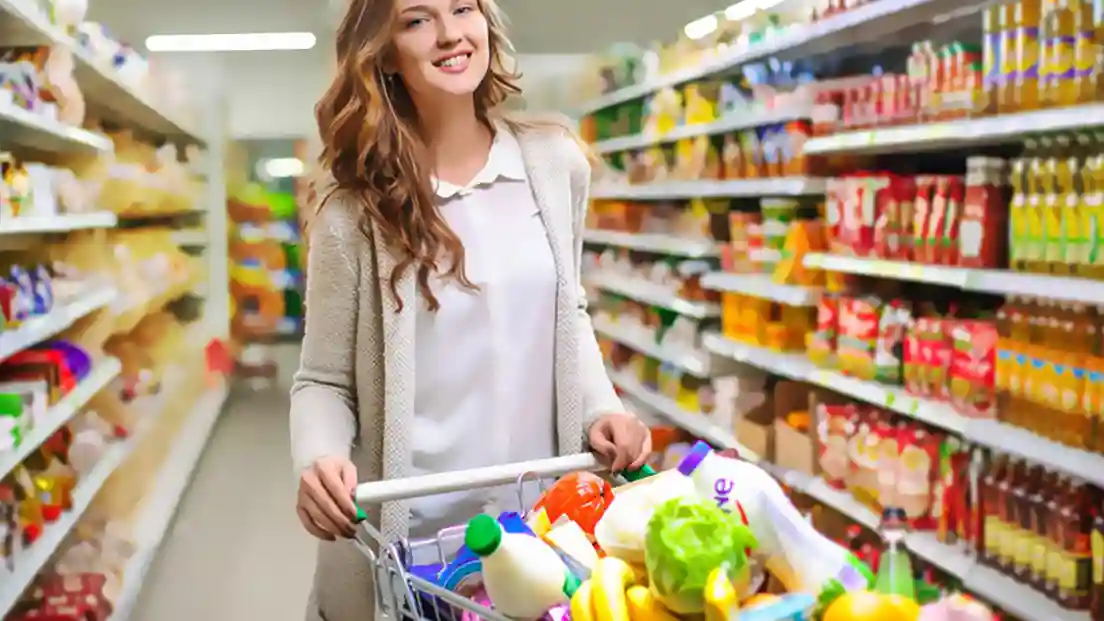
Grocery shopping in German supermarkets involves practical routines: using shopping carts, weighing produce, operating bottle deposit return machines (Pfandautomat), and interacting at the cash register (Kasse). Here are the essential phrases for your shopping trips:
1. Inside the Store & Finding Items
Der Einkaufswagen / Der Einkaufskorb.The shopping cart / The shopping basket.
Wo finde ich Milchprodukte / Backwaren?Where can I find dairy products / bakery items?
Haben Sie frisches Obst und Gemüse?Do you have fresh fruits and vegetables?
Wo steht das Mindesthaltbarkeitsdatum (MHD)?Where is the best-before / expiration date?
Das ist im Angebot / reduziert.This is on special offer / discounted.
Ausverkauft.Sold out / Out of stock.
2. The Bottle Deposit System (Das Pfandsystem)
Wo ist der Pfandautomat?Where is the bottle deposit return machine?
Der Pfandbon.The bottle deposit receipt voucher (handed to the cashier for discount).
3. Deli & Meat Counter (Frischetheke)
For numerical vocabulary and measurements, refer to our lesson on German Numbers & Time:
Ich hätte gerne 200 Gramm Käse, bitte.I would like 200 grams of cheese, please.
In Scheiben oder am Stück?In slices or in one whole piece?
Darf es sonst noch etwas sein?Would you like anything else?
Nein danke, das ist alles.No thank you, that's all.
4. At the Checkout Counter (An der Kasse)
Hallo! / Guten Tag!Hello! / Good day!
Sammeln Sie Punkte? / Haben Sie eine Payback-Karte?Do you collect loyalty points? / Do you have a Payback card?
Brauchen Sie eine Tüte / Tasche?Do you need a shopping bag?
Brauchen Sie den Kassenbon / Beleg?Do you need the receipt?
Zahlen Sie bar oder mit Karte?Are you paying with cash or by card?
Mit Karte / Kontaktlos, bitte.By card / Contactless, please.
Geben Sie bitte Ihre PIN ein.Please enter your PIN.
Schönen Tag noch! - Danke, gleichfalls!Have a nice day! - Thank you, you too!
Frequently Asked Questions (FAQ)
How do I ask for the bill and tip in a German restaurant?
You can say Zahlen, bitte! or Wir möchten bitte bezahlen. When paying in cash, if you want to leave a tip, state the rounded-up total or hand the cash and say Stimmt so to let the server know to keep the change.
What is the difference between an Einzelticket and a Deutschlandticket?
An Einzelticket is a standard single-journey ticket valid within specific time and zone restrictions, whereas the Deutschlandticket is a monthly subscription granting unlimited travel on all local and regional transport (trams, city buses, U-Bahn, S-Bahn, and regional RE/RB trains) across Germany.
How does the bottle deposit (Pfand) system work in German supermarkets?
Most bottled and canned drinks include a refundable deposit (Pfand) ranging from €0.08 to €0.25. Once empty, insert them into the Pfandautomat reverse-vending machine inside the supermarket entrance. It issues a printed Pfandbon voucher, which the cashier will deduct from your shopping bill or redeem in cash.
What is the best way to ask about food allergies in German?
Use the standard structure: Ich bin allergisch gegen... followed by the allergen name, such as Nüsse (nuts), Gluten, or Laktose (lactose).
Textbooks & Curricular References
Academic & Linguistic Sources
🛡️All educational resources follow our strict Editorial Policy & Standards to guarantee pedagogical quality and accuracy.
The phrases and communicative patterns in this guide are curated in alignment with leading CEFR-certified German language textbooks: