1. Food Names in German
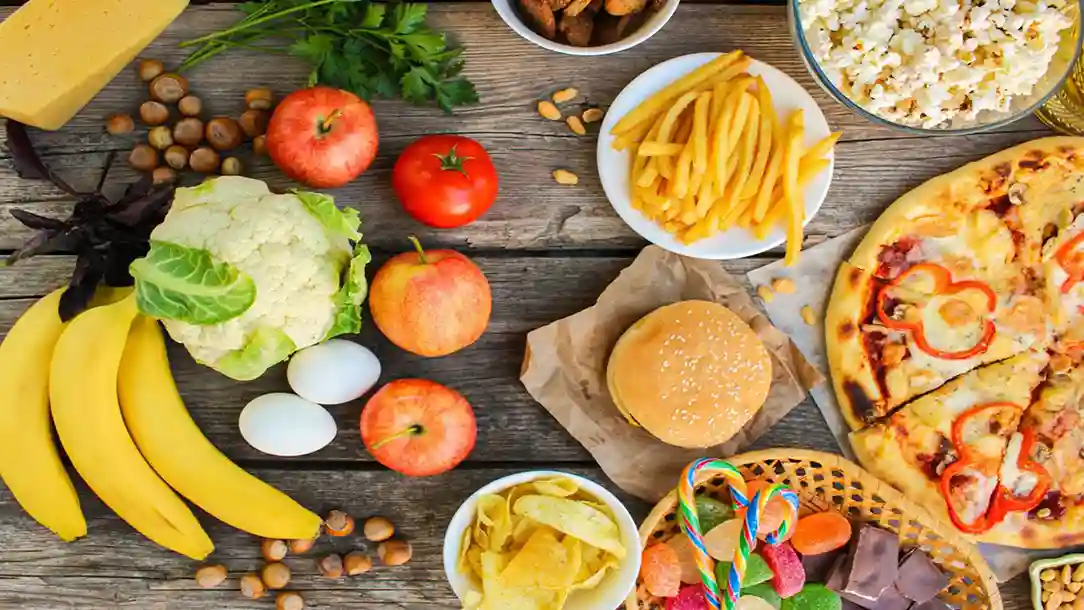
German has many words for food, and it helps to learn each word together with its article, because German nouns have three genders: masculine der, feminine die, and neuter das. Here are the key basic words:
| German | English |
|---|---|
das Essen | food, eating |
das Lebensmittel | food item, grocery item |
die Lebensmittel | groceries, foodstuffs |
das Frühstück | breakfast |
das Mittagessen | lunch |
das Abendessen | dinner |
die Mahlzeit | meal |
das Gericht | dish, prepared meal |
die Speise | food, dish |
die Zutat | ingredient |
der Hunger | hunger |
der Durst | thirst |
der Geschmack | taste |
die Küche | kitchen |
das Rezept | recipe |
Note that Lebensmittel means a food item, while Lebensmittelgeschäft refers to a grocery store. Examples:
If you are planning to live or travel, it is essential to learn daily German expressions for transportation and shopping, covering restaurants, supermarkets, and getting around smoothly.
2. Fruit Names in German
Fruit is among the most important vocabulary you'll need when shopping or talking about healthy food. Try to memorize each fruit with its article, not the noun alone.
| German | English |
|---|---|
der Apfel | apple |
die Banane | banana |
die Orange | orange |
die Zitrone | lemon |
die Erdbeere | strawberry |
die Traube | grape (a single grape or a bunch) |
die Wassermelone | watermelon |
die Melone | melon |
die Mango | mango |
die Ananas | pineapple |
die Birne | pear |
der Pfirsich | peach |
die Aprikose | apricot |
die Kirsche | cherry |
die Pflaume | plum |
die Feige | fig |
die Dattel | date |
der Granatapfel | pomegranate |
die Kiwi | kiwi |
die Avocado | avocado |
There is also the word das Obst, the general word for fruit, usually used as a collective noun. Examples:
3. Vegetable Names in German
Vegetables are used in daily meals, salads, and soups. It's useful to learn these words if you plan to live in Germany or do your own shopping.
| German | English |
|---|---|
die Tomate | tomato |
die Kartoffel | potato |
die Gurke | cucumber |
die Karotte / die Möhre | carrot |
die Zwiebel | onion |
der Knoblauch | garlic |
die Paprika | bell pepper |
der Pfeffer | pepper, also used for black pepper |
der Salat | lettuce or salad, depending on context |
der Kohl | cabbage |
der Blumenkohl | cauliflower |
der Brokkoli | broccoli |
die Aubergine | eggplant |
der Spinat | spinach |
die Erbse | pea |
die Bohne | bean |
der Mais | corn |
der Kürbis | pumpkin |
der Pilz | mushroom |
die Zucchini | zucchini |
The general word for vegetables is das Gemüse, a collective noun usually used in the singular even when talking about several kinds of vegetables. Examples:
4. Meat, Chicken, and Fish in German
If you eat meat or buy fish and chicken, here are important words you'll find on German menus and in stores.
| German | English |
|---|---|
das Fleisch | meat |
das Rindfleisch | beef |
das Kalbfleisch | veal |
das Lammfleisch | lamb |
das Hähnchen | chicken |
das Hähnchenfleisch | chicken meat |
das Schweinefleisch | pork |
der Fisch | fish |
der Lachs | salmon |
der Thunfisch | tuna |
die Garnele | shrimp |
die Wurst | sausage |
der Schinken | ham |
das Ei | egg |
die Eier | eggs |
Examples:
5. Dairy Products in German
Dairy products feature in many German meals, and you'll find them in a dedicated section of the supermarket.
| German | English |
|---|---|
die Milch | milk |
der Käse | cheese |
die Butter | butter |
der Joghurt | yogurt |
die Sahne | cream |
der Quark | fresh dairy product similar to soft cheese |
der Frischkäse | cream cheese |
die Buttermilch | buttermilk |
die Kondensmilch | condensed milk |
die Schlagsahne | whipping cream |
Examples:
There are many kinds of cheese in Germany, so you can also learn words like Gouda, Mozzarella, and Emmentaler, which are names of well-known cheeses.
6. Bread, Grains, and Baked Goods
Bread is an important food in Germany, and there are many types that differ in ingredients, shape, and taste.
| German | English |
|---|---|
das Brot | bread |
das Brötchen | bread roll |
das Vollkornbrot | whole-grain bread |
das Weißbrot | white bread |
das Roggenbrot | rye bread |
das Toastbrot | toast bread |
das Mehl | flour |
der Reis | rice |
die Nudeln | pasta, noodles |
die Haferflocken | rolled oats |
das Müsli | grain mix, usually eaten with milk or yogurt |
der Kuchen | cake |
der Keks | cookie, biscuit |
das Croissant | croissant |
die Brezel | pretzel, the well-known twisted German pastry |
Also important are die Bäckerei, meaning bakery, and der Bäcker, meaning baker. Examples:
7. Drinks in German
It's important to know the names of drinks when ordering at a restaurant or buying them at a store.
| German | English |
|---|---|
das Wasser | water |
das Mineralwasser | mineral water |
das Leitungswasser | tap water |
der Kaffee | coffee |
der Tee | tea |
der Saft | juice |
der Orangensaft | orange juice |
der Apfelsaft | apple juice |
die Limonade | soda or lemonade, depending on context |
die Cola | cola |
die heiße Schokolade | hot chocolate |
das Getränk | drink, beverage |
In Germany, the waiter may ask whether you want still or sparkling water. The word still means non-carbonated, while mit Kohlensäure means carbonated. Examples:
8. Spices, Oils, and Basic Ingredients
You need these words when reading recipes or buying cooking ingredients.
| German | English |
|---|---|
das Salz | salt |
der Zucker | sugar |
das Öl | oil |
das Olivenöl | olive oil |
der Essig | vinegar |
der Honig | honey |
die Marmelade | jam |
die Gewürze | spices |
der Zimt | cinnamon |
der Kreuzkümmel | cumin |
der Koriander | coriander |
die Hefe | yeast |
die Soße | sauce |
die Mayonnaise | mayonnaise |
der Senf | mustard |
Examples:
9. Sweets and Snacks
Here are some words that will help you in cafés, candy shops, and supermarkets.
| German | English |
|---|---|
die Schokolade | chocolate |
das Eis | ice cream or ice, depending on context |
die Süßigkeit | sweet, candy |
das Bonbon | hard candy |
die Torte | decorated cake, gateau |
der Pudding | pudding |
die Chips | potato chips |
die Nüsse | nuts |
die Mandel | almond |
die Walnuss | walnut |
die Erdnuss | peanut |
die Rosine | raisin |
das Popcorn | popcorn |
Examples:
10. Key Phrases for Buying Food in German
Once you've memorized the food names, it's time to learn the phrases you'll need when shopping. Knowing the product's name isn't enough; you need to be able to ask about the price and quantity and to request what you want politely.
Asking about the price
Asking for quantities
Asking about ingredients
Completing the purchase
11. Key Phrases for Ordering Food at a Restaurant
You can use the following phrases when sitting down at a restaurant or café in Germany.
Asking for the menu
Ordering food
Giving your opinion
For beginners studying Level A1.1 who want to learn about meals and ordering food, check out the German food vocabulary and ordering at restaurants lesson to practice meal names and how to order from the waiter (Beim Kellner bestellen).
12. Important Verbs Related to Food
| German | English |
|---|---|
essen | to eat |
trinken | to drink |
kochen | to cook |
backen | to bake |
kaufen | to buy |
schneiden | to cut |
waschen | to wash |
probieren | to taste, to try |
schmecken | to taste (have a flavor) |
bestellen | to order |
bezahlen | to pay |
brauchen | to need |
mögen | to like |
vorbereiten | to prepare |
servieren | to serve |
Examples:
Note that the verb schmecken differs from essen: the first describes how food tastes, while the second means eating.
13. A Short Supermarket Dialogue in German
This dialogue helps you apply the earlier vocabulary in a realistic situation, with the English translation under each line.
14. Exercises on Food Names in German
Exercise 1: Choose the correct translation
1. What does die Milch mean? a. bread — b. milk — c. cheese
2. What does der Apfel mean? a. apple — b. orange — c. banana
3. What does das Fleisch mean? a. fish — b. vegetables — c. meat
4. What does das Gemüse mean? a. fruit — b. vegetables — c. drinks
5. What does das Wasser mean? a. water — b. juice — c. tea
Exercise 2: Complete the sentences
- Ich trinke morgens ______. (Milch / Kartoffel)
- Ich kaufe ein Kilo ______. (Äpfel / Apfel)
- Das ______ schmeckt sehr gut. (Essen / trinken)
- Ich brauche Salz und ______. (Pfeffer / Wasser)
- Kann ich mit ______ bezahlen? (Karte / Tomate)
Show answers
Exercise 1: 1-b, 2-a, 3-c, 4-b, 5-a.
Exercise 2: 1- Milch, 2- Äpfel, 3- Essen, 4- Pfeffer, 5- Karte.
Conclusion
Learning the names of food and groceries in German gives you an important vocabulary you can use in many everyday situations, from buying bread and milk to ordering a full meal at a restaurant.
Start by memorizing the most-used words, such as das Brot, die Milch, das Wasser, and das Gemüse, then move on to fruit, meat, dairy, and spices. After that, practice full sentences and dialogue, and don't settle for memorizing words on their own.
Viel Erfolg beim Deutschlernen! — Good luck learning German!
References
Academic and educational sources
- Duden Online Wörterbuch - the standard reference for German grammar and usage.
- DWDS (Digitales Wörterbuch der deutschen Sprache) - a digital dictionary and language database.
- Goethe-Institut Lernmaterialien - the official curriculum frameworks for the CEFR levels.