German Language Levels Guide from A1 to C2
German is currently one of the most popular languages, especially for work, study, and immigration within Europe, particularly in Germany, Austria, and Switzerland.
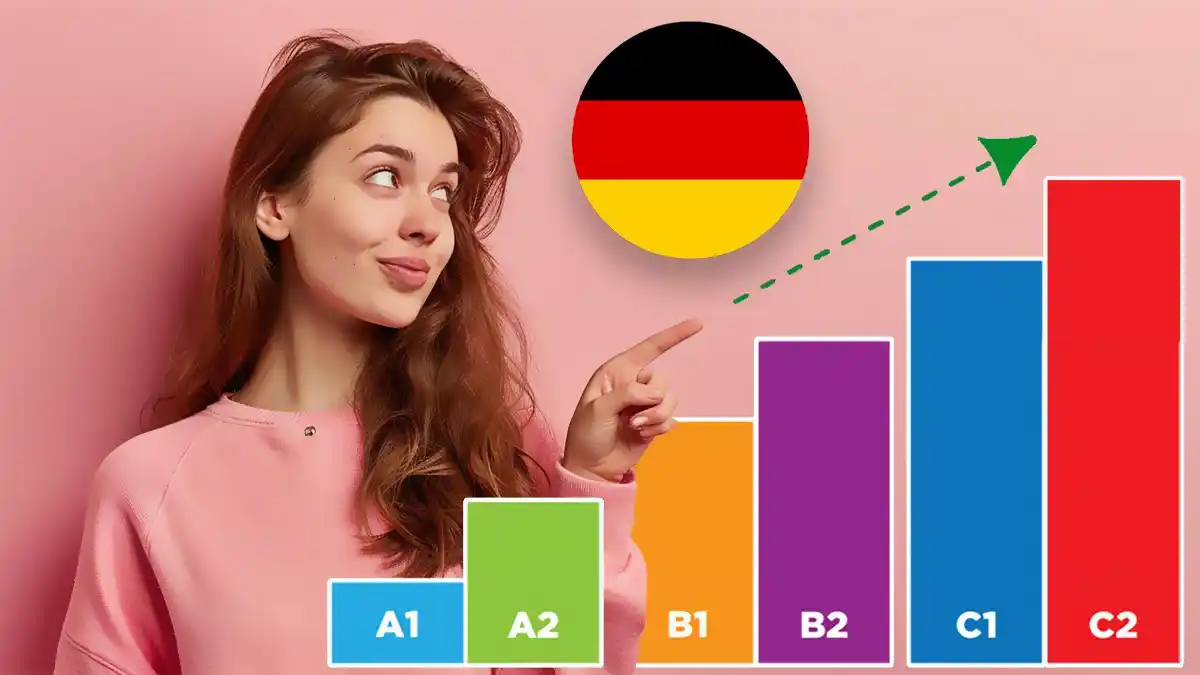
The German language is divided into six main proficiency levels based on the Common European Framework of Reference for Languages (CEFR), starting from absolute beginner and building up to native-level mastery via our interactive learning levels on site.
Understanding the structure and details of each level helps you create a clear study plan and set precise goals. In this guide, we present the German language levels in order from A1 to C2, along with required skills, estimated study hours, and key certified diplomas that open doors to your academic and professional future.
Important Note: Accurately identifying your proficiency level helps you plan for academic opportunities or vocational training programs such as Vocational Training (Ausbildung) in Germany.
What is the Common European Framework of Reference for Languages (CEFR)?
The system is structured into three main stages, each containing two sub-levels:
- Level A (Basic User - Elementare Sprachverwendung): Includes A1 and A2.
- Level B (Independent User - Selbstständige Sprachverwendung): Includes B1 and B2.
- Level C (Proficient User - Kompetente Sprachverwendung): Includes C1 and C2.
1. Basic Level (A - Elementar)
- 1. Level A1 (Absolute Beginner - Anfänger):
- This level serves as the starting point for your German learning journey, focusing primarily on basic daily expressions and essential phrases.
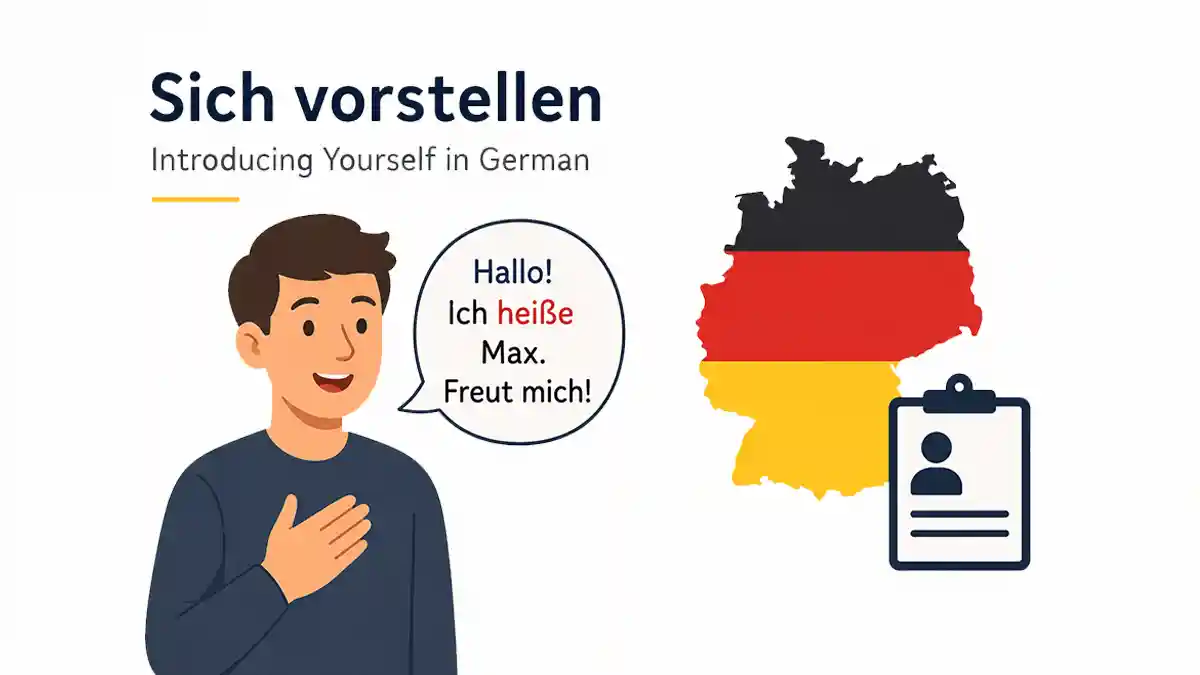
- Skills: Introducing yourself and others—you can view ready-made templates in our guide on self-introduction in German—asking simple questions about living or working, and conducting basic conversations provided the interlocutor speaks slowly and clearly.
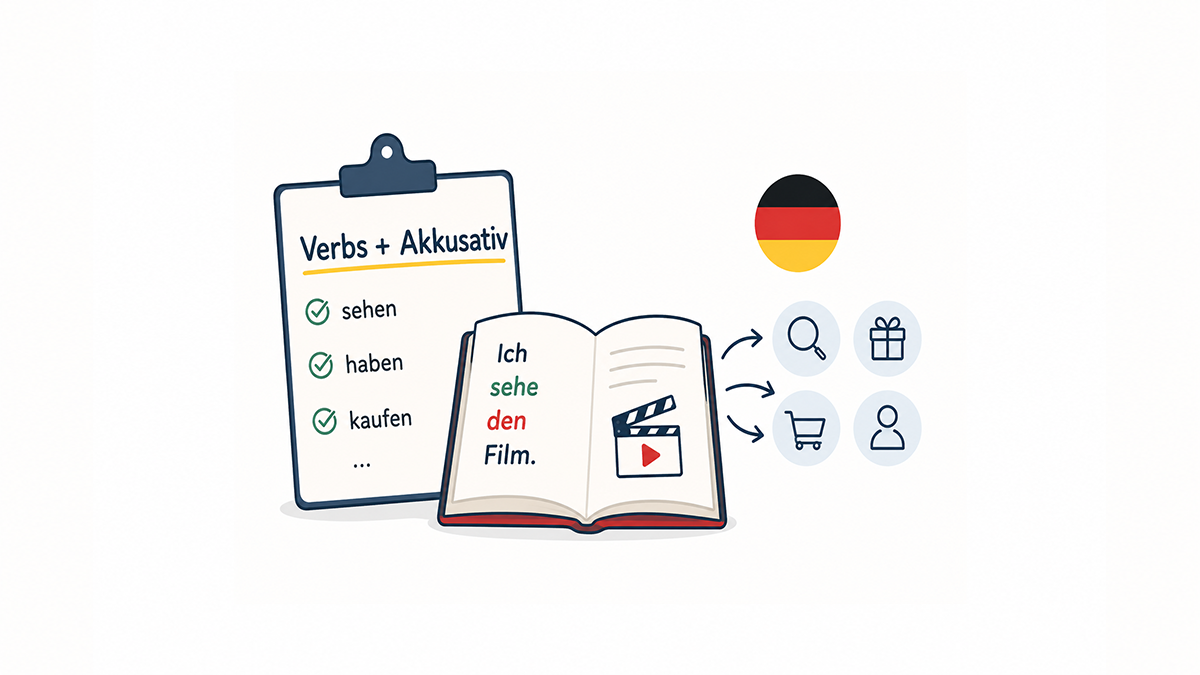
- Core Grammar: Simple sentence structure, basic verb conjugation, and foundational accusative cases covered in our guide to important Akkusativ verbs.
- Applications: Family reunification visa applications, or preliminary travel preparation.
- Estimated Study Hours: 80 – 150 hours.
- 2. Level A2 (Elementary - Grundlegende Kenntnisse):
- In this level, learners expand their vocabulary and understand frequently used expressions related to daily life.
- Skills: Communicating about shopping, employment, immediate surroundings, and routine matters. Ability to describe simple past events and express immediate needs.
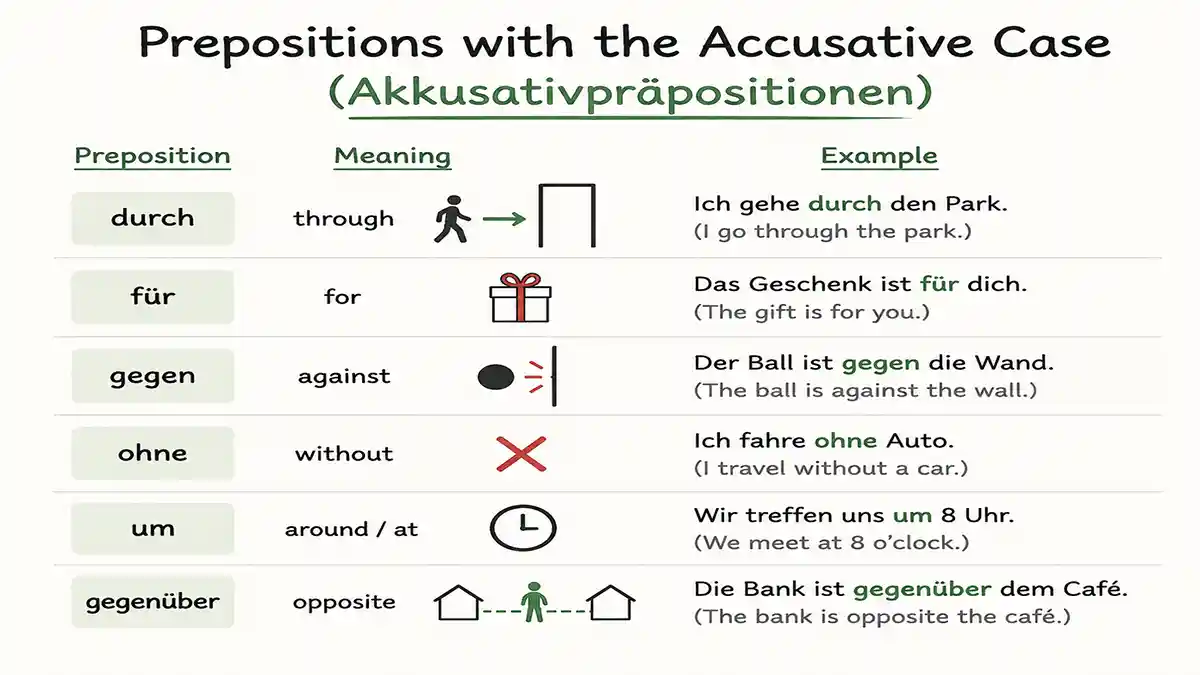
- Core Grammar: Simple past (Präteritum), conversational past (Perfekt), and advanced prepositions detailed in prepositions with Akkusativ.
- Applications: Routine communication in daily life and initial studies.
- Estimated Study Hours: 150 – 260 hours.
2. Independent Level (B - Selbstständig)
- 3. Level B1 (Intermediate - Fortgeschrittene Sprachverwendung):
- Level B1 is the gateway to independent communication in German and represents the minimum requirement for many official procedures and entry-level jobs.
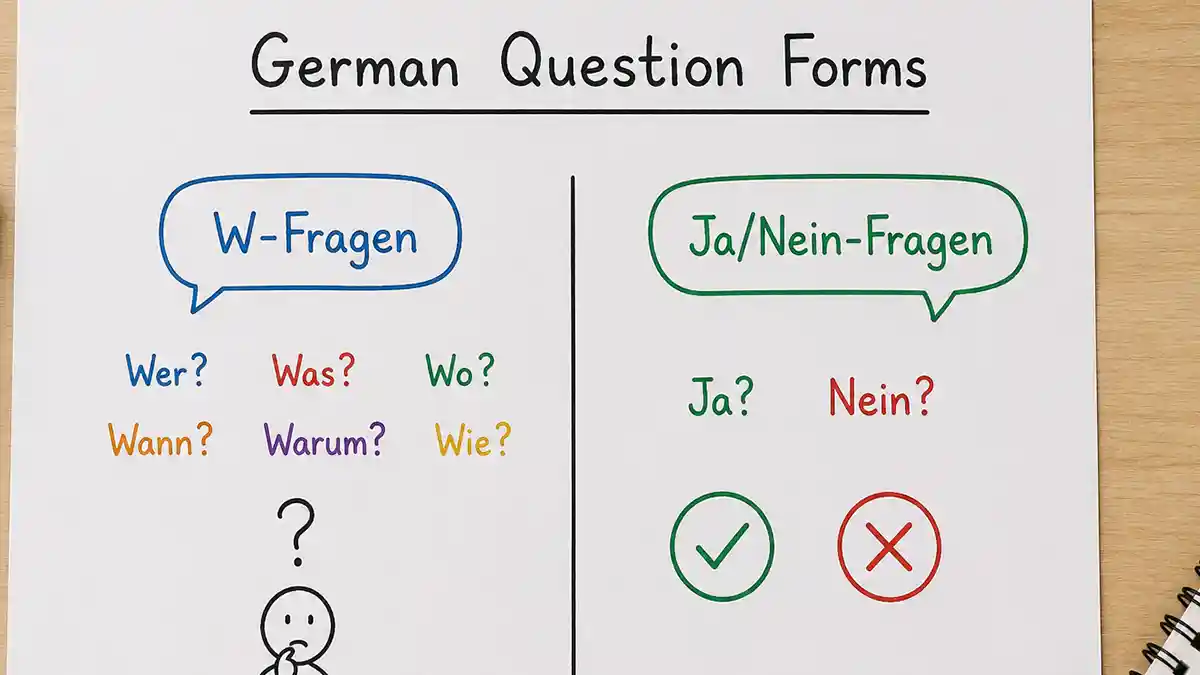
- Skills: Understanding key points in clear texts concerning work or school, and managing most daily situations. To master asking questions, see our lesson on forming questions in German.
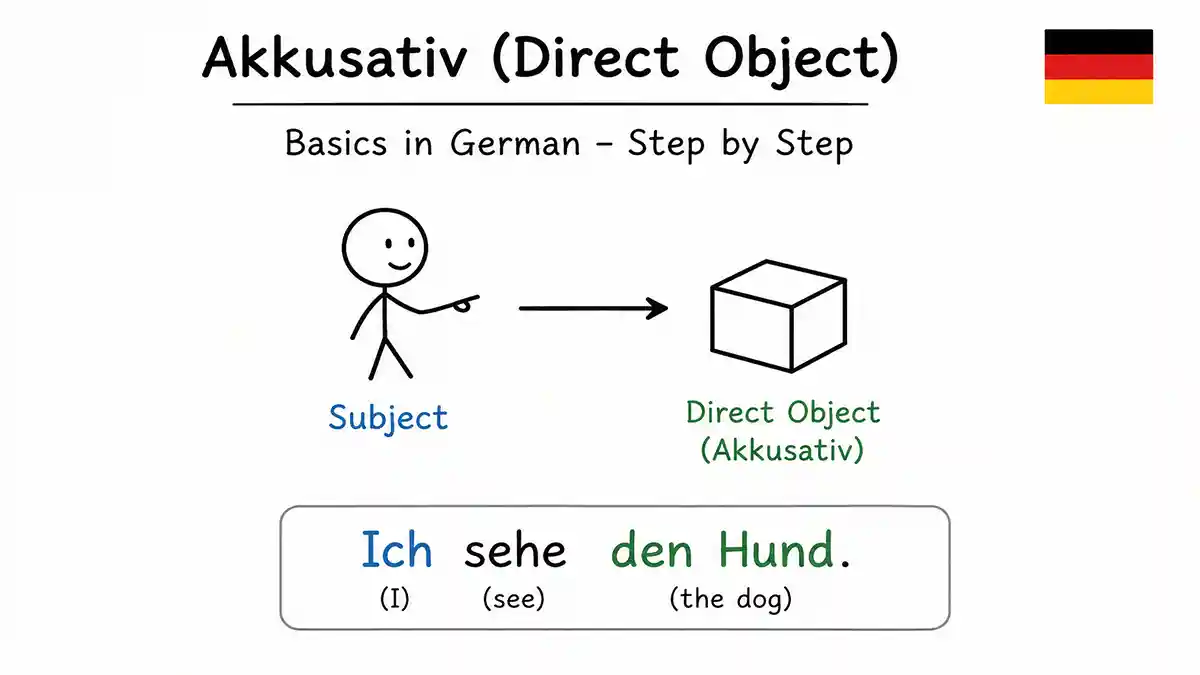
- Core Grammar: Subordinate clauses (Nebensätze), complex conjunctions, and advanced object structures explained in object basics in German.
- Applications: Vocational training (Ausbildung) applications in certain fields, German citizenship, and service sector employment.
- Estimated Study Hours: 350 – 400 hours.
- 4. Level B2 (Upper-Intermediate - Selbstständige Sprachanwendung):
- This level marks the transition into professional and academic fluency, enabling learners to communicate spontaneously.
- Skills: Understanding complex core ideas of concrete and abstract topics, and interacting with native speakers fluently without effort.
- Core Grammar: Advanced sentence patterns and subjunctive moods (Konjunktiv I & II). Overcome learning roadblocks using tips from strategies to overcome German difficulties.
- Applications: University admission in Germany, corporate jobs, and most vocational training programs.
- Estimated Study Hours: 500 – 650 hours.
3. Proficient Level (C - Kompetent)
- 5. Level C1 (Advanced - Fachkundige Sprachkenntnisse):
- Targeted at individuals aiming to work in specialized professional fields like medicine and law, or pursue postgraduate studies.
- Skills: Comprehending a wide range of demanding, longer texts, recognizing implicit meaning, and expressing ideas fluently and spontaneously.
- Applications: Medical practice in Germany, executive roles, scientific research, and postgraduate degrees.
- Estimated Study Hours: 700 – 800 hours.
- 6. Level C2 (Mastery/Native-like - Annähernd muttersprachliche Kenntnisse):
- The highest level in the CEFR framework, representing language proficiency comparable to an educated native speaker.
- Skills: Effortlessly understanding virtually everything heard or read, summarizing complex information, and expressing oneself spontaneously with precision.
- Applications: Academic teaching, simultaneous translation, literary translation, diplomacy, and linguistic consulting.
- Estimated Study Hours: 1000+ hours.
German Language Levels Summary
| Level | Description | Goals & Applications | Estimated Hours |
|---|---|---|---|
| A1 | Absolute Beginner | Family reunification, basic foundation | 80 - 150 |
| A2 | Elementary | Basic daily communication, travel | 150 - 260 |
| B1 | Intermediate | Citizenship, selected Ausbildung programs | 350 - 400 |
| B2 | Upper-Intermediate | University study, most jobs & Ausbildung | 500 - 650 |
| C1 | Advanced | Medical practice, academic postgraduate study | 700 - 800 |
| C2 | Mastery | Translation, university lecturing, diplomacy | 1000+ |
Official Certified German Exams
- Goethe-Zertifikat: Globally recognized exam offered by the Goethe-Institut for all levels from A1 to C2.
- telc (The European Language Certificates): Widely accepted across Germany for work, immigration, and vocational training.
- TestDaF: Specifically designed for international students applying to German universities, covering B2 to C1 levels.
- ÖSD: The Austrian German Language Diploma, recognized internationally in Germany, Austria, and Switzerland.
Goethe-Institut German Language Levels (Goethe-Zertifikat)
Frequently Asked Questions (FAQ)
What level is required to work and live in Germany?
Requirements depend on the profession. Level B1 is usually needed for vocational jobs and certain training programs, B2 for corporate and academic positions, and C1 for medical and specialized engineering fields.
How long does it take to reach B2 from A1?
An average learner needs between 500 and 650 guided study hours to reach level B2, which translates to roughly 6 to 9 months of intensive daily study.
Is there a difference between Goethe and telc certificates?
Both certificates are officially accepted by embassies, universities, and employers in Germany. The main differences lie in exam formatting and task distribution.
Can I self-study German up to level B1?
Yes, learners can reach level B1 through self-study using interactive platforms and applications, provided they maintain consistent daily practice in listening, speaking, and writing.
Textbooks & References
Academic and Linguistic Standards
This guide aligns with internationally recognized standards for language proficiency classification:
- Council of Europe - CEFR Standards - Common European Framework of Reference for Languages.
- Goethe-Institut Exam Requirements - Standards and operational guidelines for Goethe-Institut exams.
- telc Language Tests Specifications - Standardized specifications for European telc exams.
- TestDaF-Institut Standard - Standardized German language test framework for higher education.