Part One: What Is the Visa for Seeking a Training Place, and Who Can Apply?
If no company has accepted you while you are still abroad, that doesn't mean the road is closed. Since March 2024, applicants who meet the conditions can enter Germany on a visa created for seeking a training place, under Section 17 of the Residence Act (AufenthG). The Make it in Germany portal describes it as a way to come to Germany, apply to companies and find a suitable place.
Before you decide, understand what this visa means and what it doesn't:
- It is a search visa, not a contract: it does not guarantee a place, and the company decides in the end whether to accept you.
- It is short: it allows a stay of up to nine months, and you must find a place within that time.
- It is not the Opportunity Card (Chancenkarte): that is another route into the labour market, and this visa has its own conditions.
If you are still at the beginning, first read what Ausbildung is to understand how dual training works before you travel for it.
Part Two: Requirements for the Ausbildung Visa to Look for a Place
- Age: you must not yet be 35 when you apply. This limit applies to the search visa only; the training visa you get after signing a contract has no upper age limit.
- School certificate: a certificate that gives access to university in Germany or in the country that issued it, or a certificate from a German school abroad.
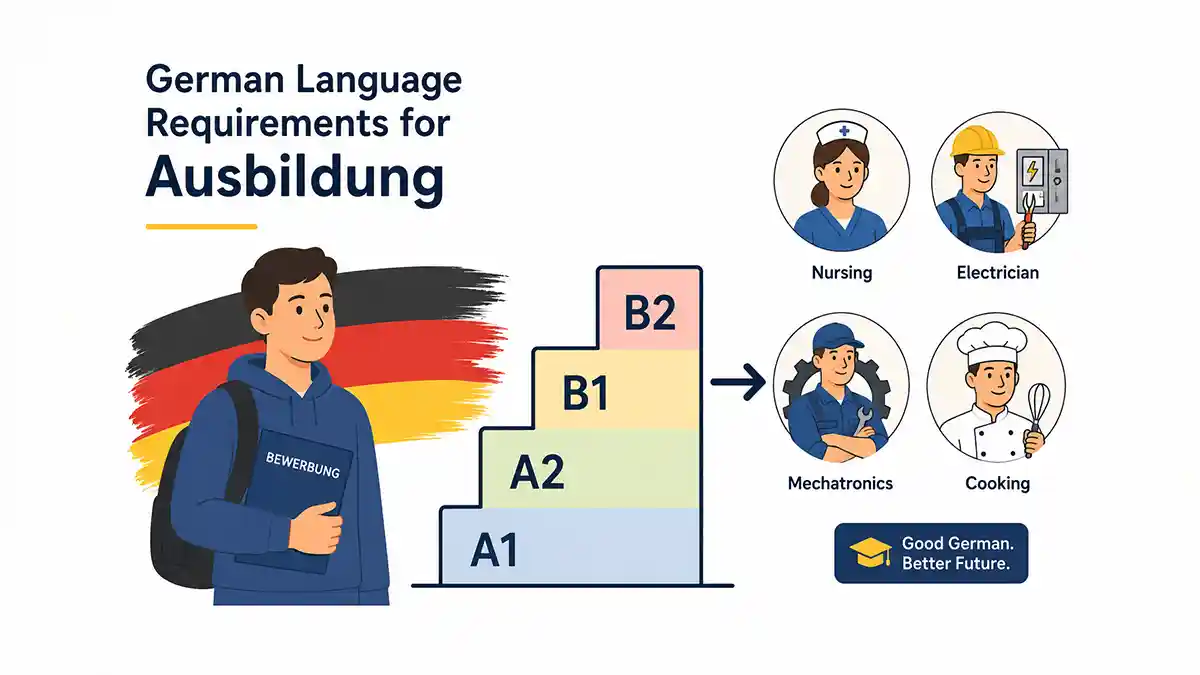
- Language: at least B1 on the European framework, proved by a recognised certificate. For details see the language levels required for Ausbildung.
- Proof of livelihood: you must show you can cover your costs with at least €1,091 net per month (2026), either through a blocked account (Sperrkonto) or a declaration of commitment (Verpflichtungserklärung) from someone in Germany.
The general residence conditions also apply: a valid passport and no reason that bars your entry to Germany. The amount is calculated per month, so ask the embassy responsible for you what total it expects for your stay before you deposit any money.
Part Three: The Difference Between the Search Visa and the Training Visa
The practical idea: if you can get a contract while still in your home country, that is easier financially, because the training pay may cover part of your living costs. The search visa suits those who couldn't do that and have a budget that lasts through the search months. To see what you actually pay and what you should never pay, read about free Ausbildung in Germany.
Part Four: Should You Take the Search Visa or Try From Home First?
The cheaper route is usually to find a contract while you are still at home, because the training pay becomes part of your proof of livelihood and you travel knowing your place is secured. But that route needs good language skills for remote interviews and the ability to convince a company that has never met you in person.
The search visa looks better in these cases:
- You sent a good number of applications from home and received no contract.
- You want a profession where companies prefer a face-to-face interview or a trial period, such as trades and some service jobs.
- You have a budget that covers your living costs for the entire search without relying on income from Germany.
If your budget is tight or your German is below what is required, it is better to postpone, raise your level and strengthen your file first. This visa gives you a limited window; it is not a way to make up for incomplete preparation.
Part Five: How to Apply for the Ausbildung Search Visa Step by Step
- Check the requirements: age, school certificate, language and funds, and review the page of the embassy or consulate responsible for where you live.
- Create an account on the consular services portal: and submit your visa application online.
- Book an appointment at the German embassy: and prepare your original documents and the copies required.
- Pay the visa fee: official sources mention a fee of €75, paid in local currency.
- Receive the visa and plan your travel: book your flight after the visa is issued, keeping its expiry date in mind.
- Register your address in Germany: at the residents' registration office after you arrive.
- Search for a place and apply with your visa: once you sign a contract, you apply for a residence permit for training, and this must happen before your entry visa expires.
Part Six: Documents Required for the Ausbildung Visa
- Passport: valid for the whole stay you are requesting.
- School certificate: the one that qualifies you for university, translated and legalised according to the embassy's rules.
- Language certificate: at least B1 from a recognised provider.
- Proof of livelihood: the blocked-account confirmation or the declaration of commitment.
- Health insurance: covering your stay, so ask the embassy which type it accepts.
- CV and motivation letter: showing why you want training and which profession you are aiming for.
Part Seven: How to Plan Your Budget for the Search Months
The amount the official sources ask for, €1,091 net per month in 2026, is the minimum for proving you can support yourself, not a comfortable budget for every city. Rent varies greatly between large and small cities, so consider searching from a mid-sized city with lower costs, where you will often find companies short of trainees.
Also count items that don't appear in official figures: health insurance, travel to interviews, printing, translating and legalising documents, the cost of having your certificates recognised, and any language course you want to take during the search. The bigger your margin, the less pressure you will feel to accept a place that doesn't suit you just because time is running out.
Part Eight: How to Use Your Nine Months to Search
Start preparing before you travel, not after. Decide on a profession first, and review the most in-demand Ausbildung specializations to see where the opportunities are widest. If nursing is your goal, know that the competition is more about language than technology and B2 is often asked for, so prepare with our guide to German for the medical sector.
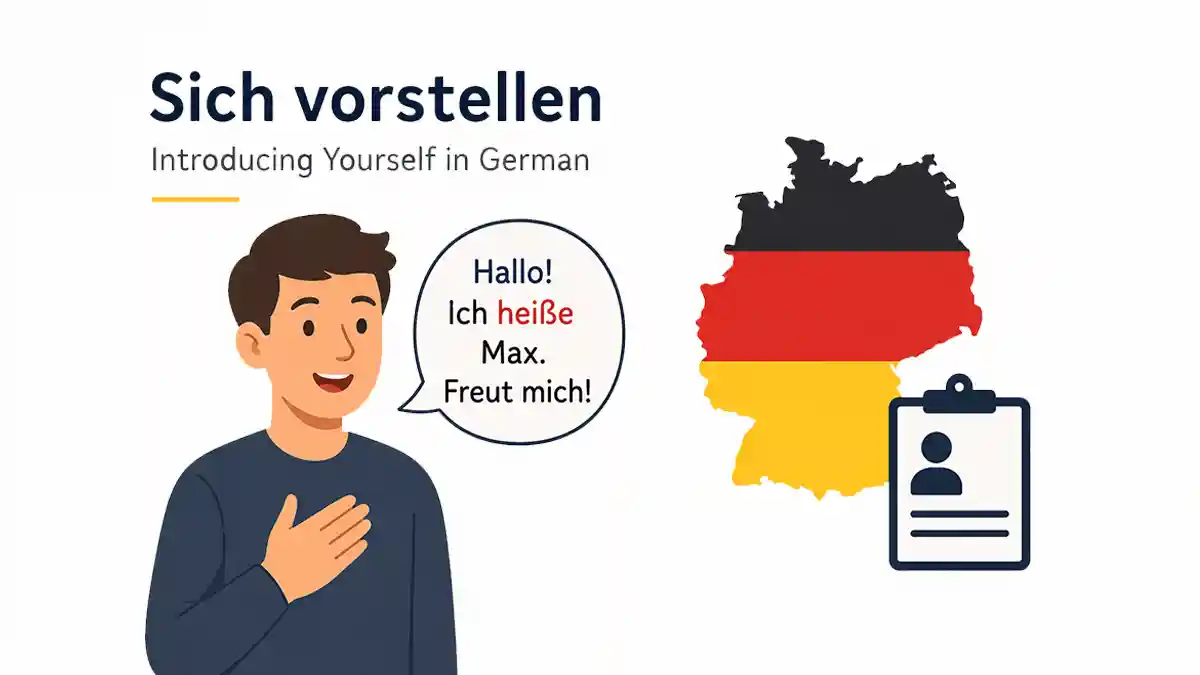
When you arrive, split your time among three jobs: applying daily to listings, practising interviews, and improving your language. To organise your search, use the official and specialised Ausbildung websites we ranked for you with an explanation of each platform. To prepare for interviews, learn the job titles in German and how to introduce yourself and your goal.
Watch the timing: most training contracts start in August or September, and companies announce their places many months earlier. Plan your entry so that your nine search months fall in the listing season, not after it has closed.
And don't rely only on published listings. Applying directly to nearby companies that haven't announced places yet may open a door nobody else saw, and a short work trial (Praktikum) at a company before applying gives you knowledge of the profession and a relationship with the people in charge of training. Record every application you send, its date and the reply in a simple table, so you know where to follow up and where to change your approach.
Part Nine: What to Do After You Find a Training Place
After you sign the training contract with the company or institution, you apply for a residence permit for training (Section 16a of the Residence Act) at the foreigners' office in Germany. Most importantly, the application must be submitted before the entry visa you hold expires, so don't postpone the appointment.
- The contract: it should include suitable pay and the training provider's details, and the Federal Employment Agency may get involved to check the training conditions.
- Livelihood: it counts as secured if the pay reaches €1,048 gross or €822 net per month; otherwise you can cover the difference with a blocked account or a declaration of commitment.
- Language: a B1 certificate is usually required for qualified training, and the provider may ask for a higher level.
Find out in advance which documents the foreigners' office in your city asks for, because some offices need a long time to give appointments.
Part Ten: Common Mistakes That Cost Applicants Their Visa
- Arriving with weak German. B1 gets you the visa, but it won't convince every company, so raise your level as far as you can.
- Applying after turning 35. Your age at the time of application is what counts, so don't postpone if you are close to the limit.
- Believing promises of a guaranteed place and visa. Nobody can guarantee that: the embassy decides the visa and the company decides your place.
- Ignoring the budget for nine months. Calculate rent, living costs and insurance before you travel, not after.
- Delaying the training residence permit. After you sign the contract, apply immediately, before your entry visa expires.
- Waiting until the last months to start applying. Start in your first week, because replies can take weeks.