Ausbildung in Germany 2026 at a Glance: Key Numbers and Requirements
| Item | Details (2026) |
|---|---|
| Tuition fees | Usually none in dual training (Duale Ausbildung); the trainee receives a salary |
| Usual language level | B1 in many cases (some professions ask for B2) |
| Maximum age to start Ausbildung itself | No general limit |
| Age limit for the training-place search visa | Under 35 |
| Proof of funds for in-company training | A training salary of at least €1,048 gross or €822 net per month |
| Proof of funds for school-based training | €959 per month (net) |
| Proof of funds for the search visa | €1,091 per month |
| Duration of the search visa | Up to 9 months, not extendable |
| After completing training | Residence of up to 18 months to look for qualified work |
Is Ausbildung in Germany Really Free?
Many Ausbildung programs in Germany charge no tuition, especially in the Duale Ausbildung system that combines theory at a vocational school (Berufsschule) with practical training in a company. In this system the trainee pays no fees and instead receives a monthly salary called Ausbildungsvergütung.
But “free” doesn’t mean travel, registration and living cost nothing. You may have to pay for:
- Learning German and getting a recognized certificate when needed.
- Translating certificates and documents into German.
- Legalizing documents as required by the competent authority.
- Recognition of your school certificate, if required.
- Visa application fees.
- Flights and travel to Germany.
- Housing, food, transport and health insurance before suitable coverage begins.
Some school-based training programs at private institutions may also charge fees, so check each program’s terms before applying.
If you are still trying to understand the system itself, its types and its nature before you continue.
Competing for vocational training contracts requires knowing the most effective platforms to submit your application professionally, which is why we recommend reading our article on top German vocational training search portals for practical filtering strategies and Bewerbung tips.
Types of Vocational Training: Dual and School-Based
| Comparison | Dual training (Duale Ausbildung) | School-based training (Schulische Ausbildung) |
|---|---|---|
| Where you learn | the company + the vocational school (Berufsschule) | a school or specialized educational institution |
| Salary | usually a monthly salary from the company | not in all cases |
| Fees | no tuition in most programs | vary: public usually free, private may charge |
| Character | mainly practical with a theoretical part | mainly theoretical with practical placements |
| Proof of funds for the visa | the salary itself may be enough | €959 per month in 2026 |
Dual training: main advantages
- A monthly salary throughout the training.
- Practical experience in a German company.
- Theoretical education linked to the profession.
- The possibility of a job contract after training if an opportunity arises.
The schedule varies by profession: the trainee may alternate between company days and school days, or study in consecutive blocks.
School-based training: what to check before registering
- Is the institution public or private?
- Is the program officially recognized?
- Are there tuition fees?
- Does the trainee receive a salary?
- Does the program allow a vocational training visa?
- What proof of funds is required?
Which is better? If your goal is training with a monthly salary and lower costs, dual training is usually the best fit. School-based training suits professions that rely on institutional study, but it needs careful review of costs and funding.
To maximize your chances of visa approval and pass the embassy interview smoothly, explore our insights on how to apply for a German vocational training search visa, offering practical strategies to organize your application file effectively.
Ausbildung Registration Requirements in Germany 2026
1. A school certificate
Applicants usually need a school certificate proving a general education. There is no single rule for all professions: some companies accept a basic-education certificate or its equivalent, others require a higher one. And a high-school diploma doesn’t mean automatic admission to every profession.
2. Recognition of your certificate
You may need your certificate assessed or recognized before training begins, and the responsible authority differs by state and type of qualification. Don’t send your certificates to a random body or pay an agent before you know the official authority. To look up qualifications and institutions you can use the official Anabin database and contact the authority in the state where you will train.
3. German language
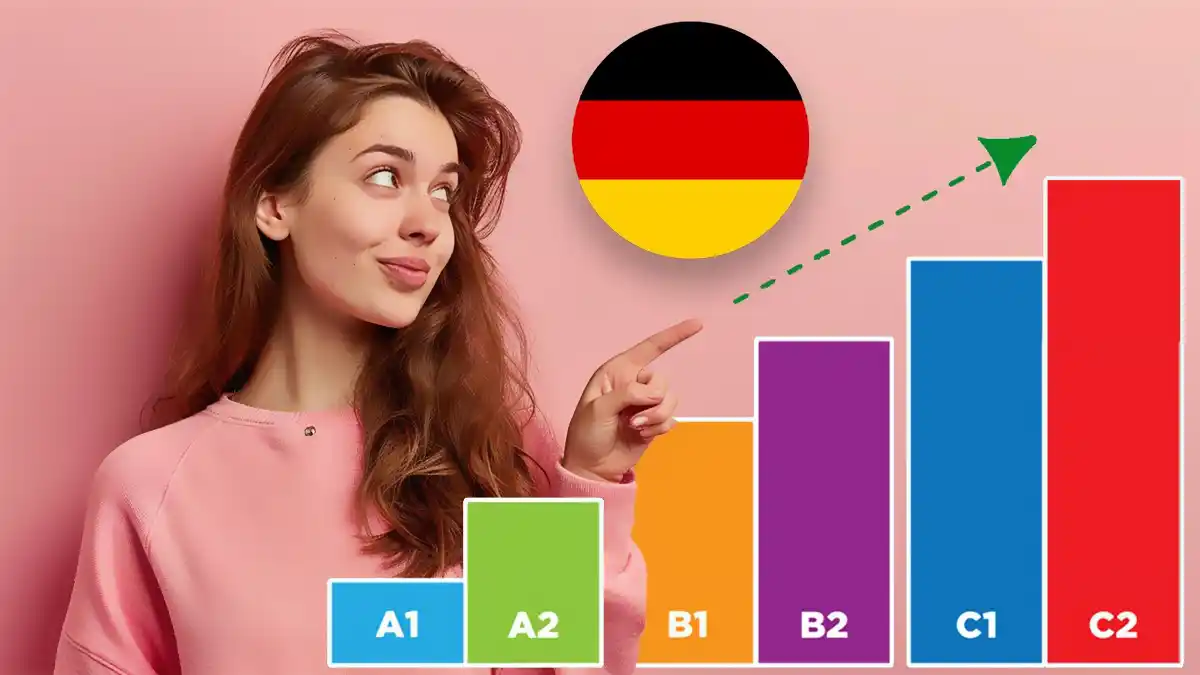
Classes at the vocational school, communication at the company and exams are mostly in German. B1 is the usual level in many training and Ausbildung visa cases, and some companies or professions require B2, especially with customers, patients or complex technical information. In some cases the required level can be reached through a preparatory course, according to the visa and program conditions. For the level needed in each profession, read about the German language levels required for Ausbildung.
4. A training contract (Ausbildungsvertrag)
A key condition for the Ausbildung visa is having a specific training place, usually through a contract with a German company or an official admission to a qualifying school-based program. The contract normally includes:
- The name of the training company or institution.
- The trainee’s name and details.
- The profession or specialization.
- Start and end dates and the length of training.
- The monthly salary, if the program is paid.
- Training and working hours.
- Vacation and termination conditions.
An informal message or a verbal promise is not enough; make sure you have a contract or admission documents that meet the visa requirements.
5. Ability to cover living costs
Even if training has no fees and pays a salary, you must prove you can cover your living costs. If the salary is below the required threshold you may prove the difference through a blocked bank account (Sperrkonto) or a formal declaration of commitment (Verpflichtungserklärung). The figures are in the visa section below.
Is There a Maximum Age to Register for Ausbildung?
The answer: there is no general maximum age to start Ausbildung itself. Applying is not limited to people aged 18 or 25, and older people can apply if they meet the company, profession and visa conditions. But distinguish between two cases:
| Case | Age condition |
|---|---|
| You already have a training contract (vocational training visa) | no general maximum age |
| You want to travel to look for a training place (search visa) | under 35 |
So the “under 35” condition belongs to the training-place search visa only, not to starting Ausbildung after you get a contract. Don’t turn down a suitable opportunity just because you believe age rules you out.
Documents Required to Register for Vocational Training
Documents for applying to companies
- A valid passport.
- A résumé in German (Lebenslauf).
- A cover or motivation letter (Anschreiben).
- School certificates and transcripts if requested.
- German language certificates.
- Work experience or practical training certificates, if any.
- Certificates of relevant professional courses.
Visa documents (after you get a contract or admission)
- A valid passport and the visa application form.
- The training contract or admission letter.
- Proof of language level or whatever the authority accepts instead.
- School certificates and required documents.
- Proof of ability to cover living costs.
- Proof of health insurance depending on the case.
- Photos and extra documents according to the embassy’s instructions.
Steps to Register for Ausbildung in Germany from Abroad
Step 1: Choose the right specialization
Don’t choose by salary alone; consider the nature of the work, language requirements, personal abilities and job prospects. You will find a comparison of the most in-demand professions and their requirements in the most in-demand Ausbildung specializations in Germany.
Step 2: Prepare your German
Start early and try to reach at least B1 while improving listening, speaking, reading and writing, because some companies conduct interviews in German.
Step 3: Prepare your résumé and cover letter
Write the résumé in German, clearly and in order, including personal details, qualifications, experience, courses, language levels and skills related to the specialization. Tailor the cover letter to each company; don’t send one letter to everyone.
Step 4: Search for Ausbildung opportunities
Start from these sources:
| Source | Link | Note |
|---|---|---|
| Federal Employment Agency | arbeitsagentur.de/jobsuche | official; search for terms like Ausbildung 2027 and Ausbildungsplatz |
| Make it in Germany | make-it-in-germany.com | official information for people from outside the EU |
| Ausbildung.de | ausbildung.de | a specialized site for opportunities and professions |
| Azubiyo | azubiyo.de | opportunities and application requirements |
| Company websites | the Karriere / Ausbildung / Ausbildungsplätze section | for companies with regular training programs |
Step 5: Send your applications
Don’t settle for one company because competition can be high, tailor each application, and make sure the deadline hasn’t passed. Watch the training start date; many programs begin in August or September.
Step 6: Pass the interview
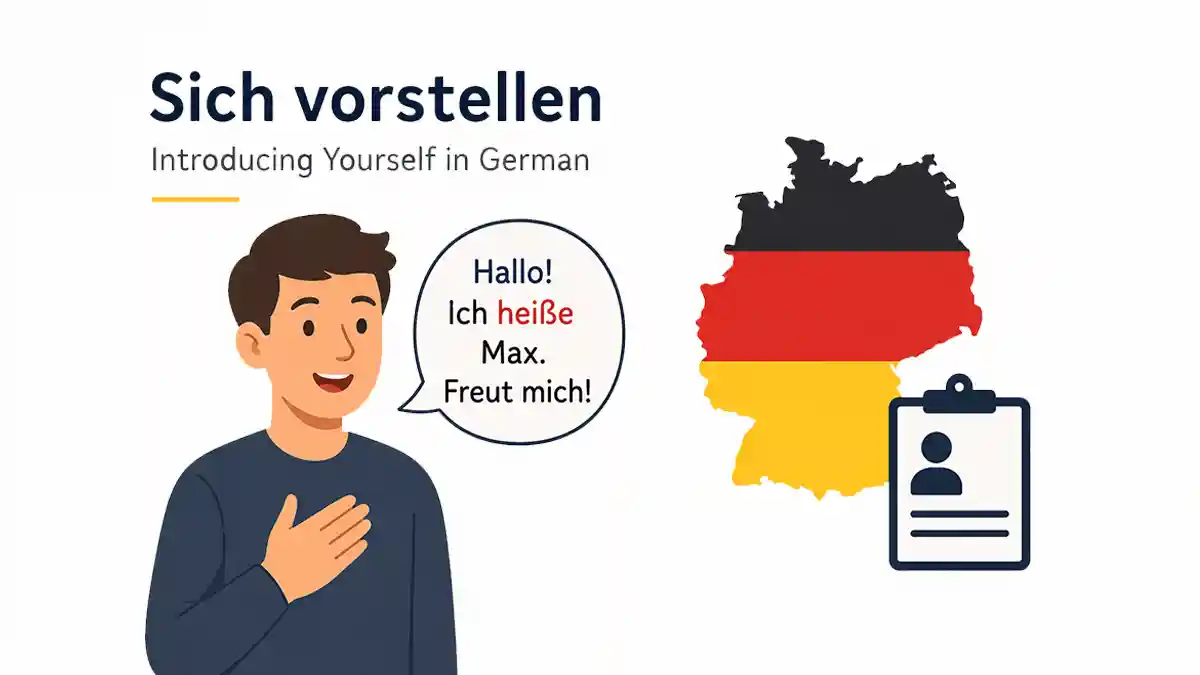
It may be online or in Germany, and the questions are usually about: introduce yourself; why did you choose this profession; why do you want to train in Germany; what do you know about our company; your experience, strengths and weaknesses; how you handle work pressure; your goals after training. Prepare to answer in German as far as possible.
Step 7: Get the training contract
Review the contract carefully before signing: the company, profession, salary, start date and length. Keep a copy of all documents because you will need them for the visa.
Step 8: Apply for the Ausbildung visa
After the contract, apply for the vocational training visa (Visum zur Berufsausbildung, linked to Section 16a of the Residence Act, AufenthG) at the German mission responsible for your country of residence, after preparing proof of language, funds and the other documents.
Germany Vocational Training Visa 2026 and Proof of Funds
If you are from outside the European Union (such as Egypt, Morocco, Algeria or Tunisia) you will usually need a suitable national visa before traveling.
1. The vocational training visa after you get a contract
- A training contract or official admission to a qualifying program.
- The language level required for training, usually B1.
- Proof of living costs for the whole training period.
- Passport, health insurance and other documents.
2. The visa to search for a vocational training place (Ausbildungsplatzsuche)
For coming to Germany to look for a training place if you have no contract; its legal basis is Section 17 of the Residence Act. Conditions:
- You are under 35.
- A school certificate that gives access to higher education, or a qualification from a German school abroad.
- Proof of B1 German.
- Proof of living costs (€1,091 per month).
It allows a stay of up to 9 months without extension, with part-time work of up to 20 hours a week and trial work of up to two weeks in total. If you find a place, you then apply for a residence permit for vocational training at the foreigners’ office.
The proof-of-funds figures for 2026
| Visa / type of training | Amount required | Notes |
|---|---|---|
| In-company (dual) vocational training | €1,048 gross or €822 net per month | the salary itself is proof; if lower you may prove the difference with a blocked account or commitment |
| School-based vocational training | €959 per month | some embassies’ lists differ; €992 appears for school-based advanced training |
| Searching for a training place | €1,091 per month | a blocked bank account or declaration of commitment under the official conditions |
Can You Get Ausbildung in Germany Without a B1 Certificate?
It is hard to get a place without good German, because the trainee needs to understand lessons and instructions and communicate with the company and the vocational school. B1 is the usual level in many programs and visa procedures. Some companies may accept a lower level on condition of a preparatory course, but don’t confuse the existence of opportunities that accept A2 with a guarantee of the visa at that level, because language is assessed case by case by the competent authority. The search visa requires B1 under the official conditions.
If you are starting from zero, make reaching B1 your goal before sending applications, then develop your level to B2 if your specialization needs it.
Can You Register for Ausbildung in English?
In most traditional Ausbildung programs, German is the language of study, work and exams, so relying on English alone is not recommended. Even if a company uses English in some dealings, you will still need German for the vocational school, the study material and the workplace. Some programs may have different requirements, but that is not the rule.
Ausbildung Pay (Ausbildungsvergütung) in Germany
In the dual system the trainee receives a monthly salary from the company. It varies by profession, company, state, collective agreement if any, and training year, and it usually rises from one year to the next. There is no single amount for all professions, so check the salary stated in the contract itself, and distinguish gross (Brutto) from net (Netto).
Since 2020 Germany has had a statutory minimum for trainee pay (Mindestausbildungsvergütung), which depends on the year training starts and is announced by the Federal Institute for Vocational Education and Training (BIBB):
| Training year | Training starting in 2026 (€ per month) | Training starting in 2027 (€ per month) |
|---|---|---|
| First year | 724 | 764 |
| Second year | 854 | 902 |
| Third year | 977 | 1,031 |
| Fourth year | 1,014 | 1,070 |
The large majority of trainees earn clearly more than this minimum, and in some professions collective agreements that differ from it may apply. Some companies offer extra benefits such as transport, meals or housing support, but these are not guaranteed in every contract.
What Happens After Vocational Training?
After completing training successfully, graduates can look for a qualified job in their specialization, and German rules allow those who completed qualified vocational training in Germany a residence permit to look for work of up to 18 months under the legal conditions. After finding a suitable job they apply for a residence permit for employment under the applicable requirements.
That is why Ausbildung should not be seen merely as free study, but as a career path that combines learning, practical experience and preparation for the German job market.
Tips to Improve Your Chances of Admission
- Choose a specialization that fits your qualifications: don’t apply for a profession you know nothing about just for the salary to choose wisely.
- Start learning German early: don’t wait for a contract.
- Prepare a professional application file: in correct German.
- Don’t rely on a single site: use the Employment Agency, company websites and specialized platforms.
- Apply to more than one company: tailoring each application.
- Don’t pay for a fake contract: nobody can guarantee embassy approval, so verify the company and the contract before transferring any money.
- Check visa conditions before traveling: don’t travel on a tourist visa as if it let you start training.
- Start applying early: companies may open applications several months before the start.
Key Terms for Applying for Vocational Training
| German term | Meaning |
|---|---|
| die Ausbildung | vocational training |
| der Ausbildungsvertrag | training contract |
| die Ausbildungsvergütung | trainee pay |
| die Berufsschule | vocational school |
| der Ausbildungsplatz | training place |
| der Lebenslauf | résumé / CV |
| das Anschreiben | cover letter |
| das Sperrkonto | blocked bank account |
| die Verpflichtungserklärung | declaration of commitment |
| das Visum | visa |
Conclusion: Is Vocational Training in Germany a Good Opportunity for Arabs in 2026?
Vocational training in Germany is an important opportunity to learn a profession and gain practical experience, since many dual programs charge no tuition and pay a monthly salary. But success needs good preparation: choosing the specialization, learning German to B1, preparing certificates and a résumé, applying to companies, and then the contract and the visa.
If you plan to apply from an Arab country, start by learning German and reaching B1, then look for companies offering Ausbildung in your specialization while checking the conditions from official sources. Getting a contract does not guarantee a visa, because final approval depends on meeting all legal and administrative requirements.
Complete Guide from DeutschPlayLearn German From Scratch for Free: Complete A1 to Advanced GuideStarting your journey and need a clear, free roadmap? Explore proficiency levels from A1 to advanced, along with top methods, resources, and tips to start with confidence.Frequently Asked Questions About Registering for Free Ausbildung in Germany 2026
Is vocational training in Germany free for foreigners?
Can Egyptians register for Ausbildung in Germany?
Is a high-school diploma required?
Can I register for vocational training without a university degree?
What German level is required for vocational training?
Is there a maximum age to register for Ausbildung?
Do trainees earn a salary during training?
Can I get an Ausbildung contract while outside Germany?
How much money must I prove for an Ausbildung visa?
Can I travel to Germany to look for an Ausbildung place?
Can I work after finishing Ausbildung?
References
Sources
- Make it in Germany: vocational training visa and proof of funds 2026 - the official source for both visas’ conditions and proof-of-funds amounts.
- German Foreign Office: vocational training and advanced training - details on the training visa and proof of living costs.
- BIBB: minimum trainee pay - the official values of the statutory minimum pay.
- Federal Employment Agency: search for Ausbildung opportunities - the official search for training places.
- Anabin - an official database on qualifications and educational institutions.