Describing Your Family in German: Key Words and Sentences with Examples
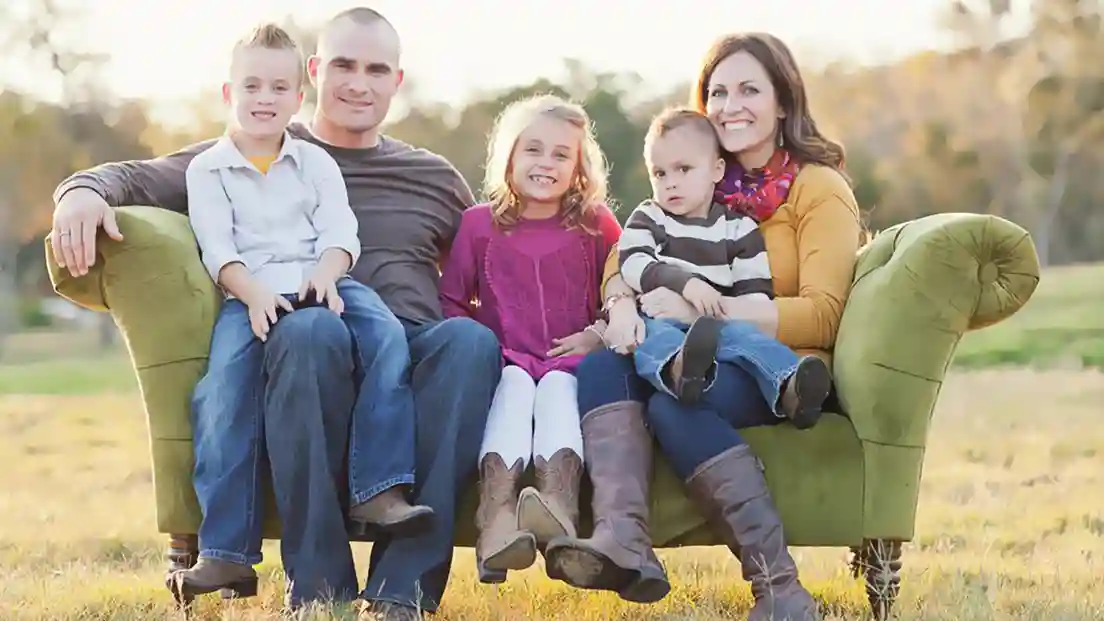
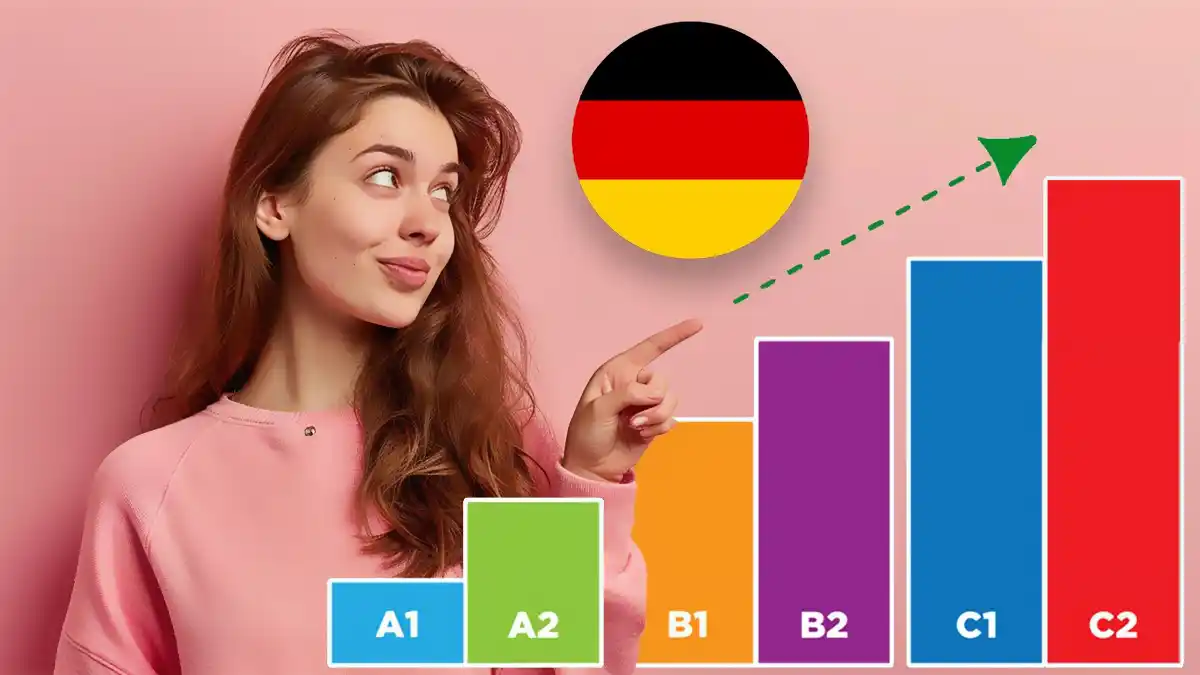
Describing your family in German is one of the most important topics at levels A1 and A2. It appears often in speaking and writing lessons, and you may be asked to talk about your family members, how many there are, their ages, their jobs, and your relationship with them. If you follow the learning levels on the platform, this topic is part of Lesson 3 (Lektion 3) at level A1.
Don't just memorize the names of family members — learn to build simple sentences that introduce your family naturally. This guide covers the essential vocabulary, how to ask about family, example sentences, and ready-made models, and you can practice the vocabulary in the Family game (Die Familie).
Learning note: the words, examples, and models come with interactive listen buttons that read the sentences aloud in clear German, to train your ear and speed up memorization.
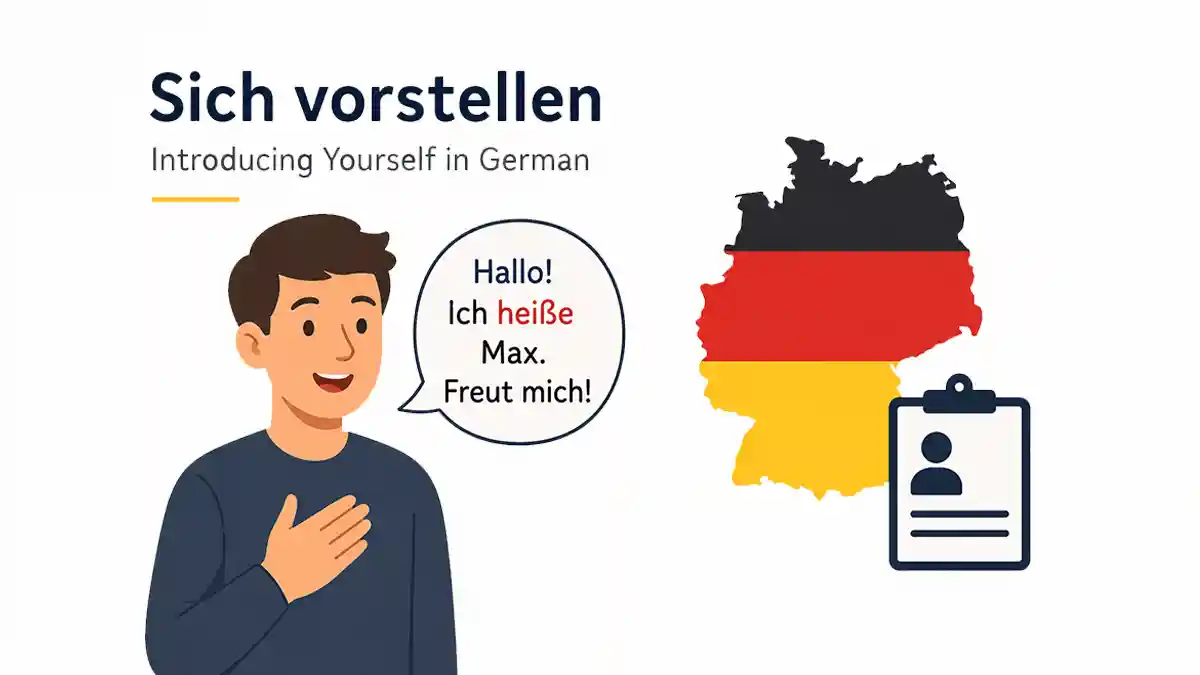
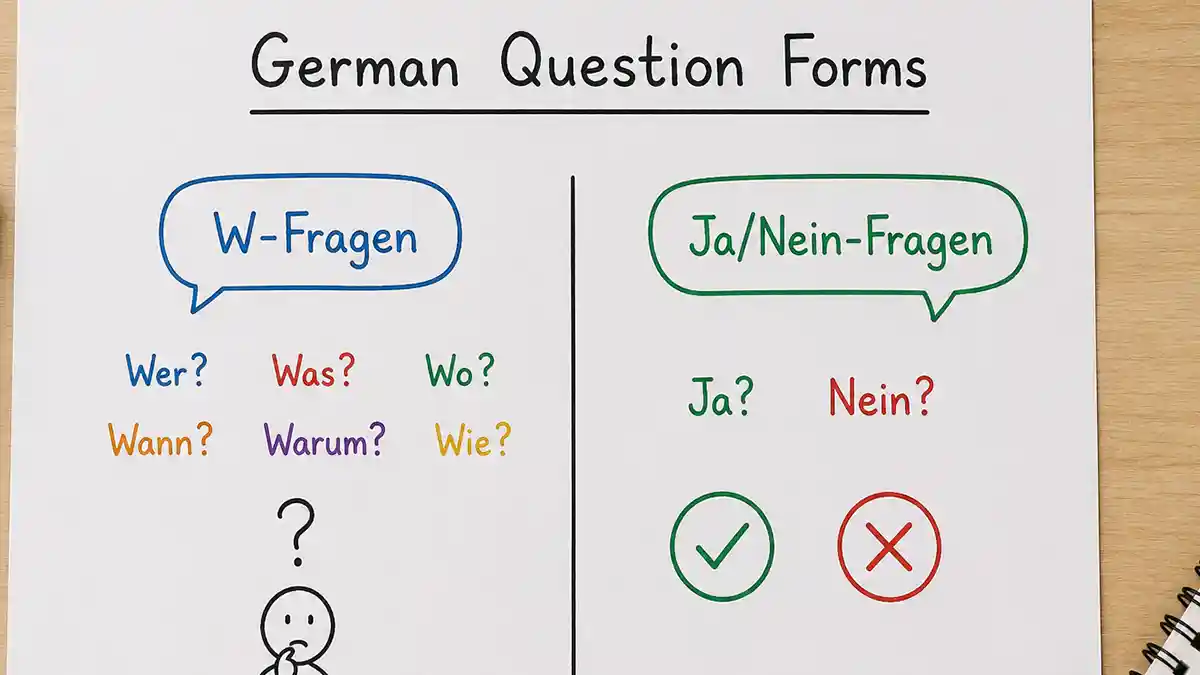
When introducing your family you will also need simple questions and answers; to go deeper, see how to form questions in German. You can also start with introducing yourself in German and then move on to describing your family.
1. Family Members in German
| German | English |
|---|---|
| die Familie | family |
| der Vater | father |
| die Mutter | mother |
| die Eltern | parents |
| der Sohn | son |
| die Tochter | daughter |
| das Kind | child |
| die Kinder | children |
| der Bruder | brother |
| die Schwester | sister |
| der Großvater | grandfather |
| die Großmutter | grandmother |
| die Großeltern | grandparents |
| der Onkel | uncle (paternal or maternal) |
| die Tante | aunt (paternal or maternal) |
| der Cousin | cousin (male) |
| die Cousine | cousin (female) |
| der Ehemann | husband |
| die Ehefrau | wife |
| der Mann | husband / man |
| die Frau | wife / woman |
| der Freund | friend / boyfriend |
| die Freundin | friend (female) / girlfriend |
2. How to Say “My Family” and Talk About Its Size
- Das ist meine Familie. – This is my family.
- Ich möchte meine Familie vorstellen. – I would like to introduce my family.
- Meine Familie ist nicht sehr groß. – My family is not very big.
- Meine Familie ist ziemlich groß. – My family is fairly big.
- Wir sind eine kleine Familie. – We are a small family.
- Wir sind eine große Familie. – We are a big family.
- Wir sind fünf Personen in der Familie. – There are five of us in the family.
- Meine Familie besteht aus fünf Personen. – My family consists of five people.
- Meine Familie besteht aus vier Personen: meinem Vater, meiner Mutter, meinem Bruder und mir. – My family consists of four people: my father, my mother, my brother, and me.
3. How to Describe Your Father, Mother, Brothers, and Sisters
Father
- Mein Vater heißt Ahmed. – My father's name is Ahmed.
- Mein Vater ist 45 Jahre alt. – My father is 45 years old.
- Mein Vater arbeitet als Ingenieur. – My father works as an engineer.
- Mein Vater arbeitet in einer Firma. – My father works in a company.
- Mein Vater ist sehr freundlich und hilfsbereit. – My father is very friendly and helpful.
Mother
- Meine Mutter heißt Mona. – My mother's name is Mona.
- Meine Mutter ist 40 Jahre alt. – My mother is 40 years old.
- Meine Mutter ist Lehrerin. – My mother is a teacher.
- Meine Mutter ist sehr nett und geduldig. – My mother is very kind and patient.
Brother
- Ich habe einen Bruder. – I have a brother.
- Mein Bruder heißt Omar. – My brother's name is Omar.
- Er ist 20 Jahre alt. – He is 20 years old.
- Er studiert an der Universität. – He studies at the university.
Sister
- Ich habe eine Schwester. – I have a sister.
- Meine Schwester heißt Sara. – My sister's name is Sara.
- Sie ist 18 Jahre alt. – She is 18 years old.
- Sie geht noch zur Schule. – She still goes to school.
4. Adjectives for Describing Personality and Appearance
| Deutsch | English |
|---|---|
| nett | kind / nice |
| freundlich | friendly |
| hilfsbereit | helpful |
| geduldig | patient |
| lustig | funny / cheerful |
| ruhig | calm / quiet |
| fleißig | hardworking |
| intelligent | intelligent |
| sportlich | sporty |
| sympathisch | likeable |
| ehrlich | honest |
| kreativ | creative |
| streng | strict |
| liebevoll | loving / affectionate |
- Mein Vater ist freundlich und hilfsbereit. – My father is friendly and helpful.
- Meine Mutter ist sehr geduldig. – My mother is very patient.
- Mein Bruder ist lustig und sportlich. – My brother is funny and sporty.
- Meine Schwester ist fleißig und intelligent. – My sister is hardworking and intelligent.
- groß – tall / big
- klein – short / small
- schlank – slim
- kräftig – strongly built
- jung – young
- alt – old
- blond – blond
- braunhaarig – brown-haired
- schwarzhaarig – black-haired
- blaue Augen – blue eyes
- braune Augen – brown eyes
- Mein Vater ist groß und hat kurze schwarze Haare. – My father is tall and has short black hair.
- Meine Mutter ist klein und hat braune Augen. – My mother is short and has brown eyes.
- Meine Schwester ist schlank und hat lange blonde Haare. – My sister is slim and has long blonde hair.
5. How to Talk About Marital Status
- verheiratet – married
- ledig – single
- geschieden – divorced
- verwitwet – widowed
- Meine Eltern sind verheiratet. – My parents are married.
- Mein Bruder ist noch ledig. – My brother is still single.
- Meine Schwester ist verheiratet und hat zwei Kinder. – My sister is married and has two children.
6. Relationships Between Family Members and What You Do Together
- Ich liebe meine Familie. – I love my family.
- Ich verstehe mich gut mit meiner Familie. – I get along well with my family.
- Ich verstehe mich sehr gut mit meinem Bruder. – I get along very well with my brother.
- Meine Familie unterstützt mich. – My family supports me.
- Wir verbringen viel Zeit zusammen. – We spend a lot of time together.
- Wir essen oft zusammen. – We often eat together.
- Am Wochenende machen wir etwas zusammen. – On the weekend we do something together.
- Wir helfen uns gegenseitig. – We help each other.
- Am Wochenende gehen wir oft spazieren. – On the weekend we often go for a walk.
- Wir sehen zusammen Filme. – We watch movies together.
- Wir essen zusammen zu Abend. – We have dinner together.
- Wir besuchen manchmal unsere Großeltern. – We sometimes visit our grandparents.
- Im Sommer fahren wir gerne ans Meer. – In summer we like to go to the sea.
7. Ready-Made Models for Describing Your Family in German
A1 Model: Describing Your Family (Meine Familie)
Das ist meine Familie. Meine Familie ist nicht sehr groß. Wir sind vier Personen: mein Vater, meine Mutter, meine Schwester und ich.
Mein Vater heißt Ahmed. Er ist 45 Jahre alt und arbeitet als Ingenieur. Er ist sehr freundlich und hilfsbereit.
Meine Mutter heißt Mona. Sie ist 40 Jahre alt. Sie ist Lehrerin. Meine Mutter ist sehr nett und geduldig.
Ich habe eine Schwester. Sie heißt Sara und ist 18 Jahre alt. Sie geht noch zur Schule. Sie ist sehr fleißig und lustig.
Ich liebe meine Familie sehr. Wir verbringen viel Zeit zusammen und helfen uns gegenseitig.
This is my family. My family is not very big. There are four of us: my father, my mother, my sister, and me.
My father's name is Ahmed. He is 45 years old and works as an engineer. He is very friendly and helpful.
My mother's name is Mona. She is 40 years old. She is a teacher. My mother is very kind and patient.
I have a sister. Her name is Sara and she is 18 years old. She still goes to school. She is very hardworking and funny.
I love my family very much. We spend a lot of time together and help each other.
Longer A2 Model
Ich möchte euch meine Familie vorstellen. Meine Familie ist ziemlich groß und wir leben zusammen in Ägypten. Wir sind sechs Personen in der Familie. Dazu gehören meine Eltern, meine zwei Brüder, meine Schwester und ich.
Mein Vater arbeitet in einer Firma und meine Mutter kümmert sich um das Haus. Meine beiden Brüder sind noch Studenten. Meine Schwester geht noch zur Schule. Wir haben ein sehr gutes Verhältnis zueinander und verbringen gerne Zeit zusammen.
Am Wochenende essen wir oft gemeinsam und manchmal besuchen wir unsere Großeltern. Wenn wir Zeit haben, gehen wir spazieren oder sehen einen Film. Natürlich haben wir manchmal unterschiedliche Meinungen, aber wir helfen und unterstützen uns immer. Für mich ist meine Familie sehr wichtig.
I would like to introduce my family to you. My family is fairly big and we live together in Egypt. There are six of us in the family: my parents, my two brothers, my sister, and me.
My father works in a company and my mother takes care of the house. Both of my brothers are still students. My sister still goes to school. We have a very good relationship with each other and enjoy spending time together.
On the weekend we often eat together, and sometimes we visit our grandparents. When we have time, we go for a walk or watch a movie. Of course, we sometimes have different opinions, but we always help and support each other. My family is very important to me.
8. Important Questions About Family in German
- Wie groß ist deine Familie? – How big is your family?
- Wie viele Geschwister hast du? – How many siblings do you have?
- Hast du Geschwister? – Do you have siblings?
- Wie heißt dein Vater? – What is your father's name?
- Was macht dein Vater beruflich? – What does your father do for a living?
- Wie alt ist deine Mutter? – How old is your mother?
- Wo wohnt deine Familie? – Where does your family live?
- Was macht ihr am Wochenende? – What do you do on the weekend?
- Verstehst du dich gut mit deiner Familie? – Do you get along well with your family?
- Wie oft besuchst du deine Großeltern? – How often do you visit your grandparents?
9. Tips for Learning to Describe Your Family in German
- Meine Familie ist ... – My family is ...
- Ich habe ... – I have ...
- Mein Vater ist ... – My father is ...
- Meine Mutter ist ... – My mother is ...
- Mein Bruder heißt ... – My brother's name is ...
- Meine Schwester heißt ... – My sister's name is ...
- Wir wohnen ... – We live ...
- Wir verbringen gerne Zeit zusammen. – We like spending time together.
- Ich liebe meine Familie sehr. – I love my family very much.
10. Frequently Asked Questions (FAQ)
How do I say “my family” in German?
You say Meine Familie. To introduce it: Das ist meine Familie (This is my family).
What is the difference between Eltern and Geschwister?
die Eltern means parents (father and mother), while die Geschwister means brothers and sisters (siblings).
How do I say “I have a brother and a sister” in German?
Ich habe einen Bruder und eine Schwester. The verb haben is followed by the Akkusativ, which is why einen appears with the masculine noun.
Why do we say meinem Vater after bestehen aus?
Because bestehen aus is followed by the Dativ, so we say: Meine Familie besteht aus meinem Vater, meiner Mutter und mir. See Dativ verbs for more details.
How do I ask about the number of family members?
You say Wie groß ist deine Familie? or Wie viele Geschwister hast du?
Is it enough to memorize one model for describing my family?
No. It is better to memorize the basic sentences and then change the information to fit your real family.
What should I mention at A1 and at A2?
At A1, names, ages, simple jobs, and adjectives are enough. At A2, add details such as shared activities and the relationships between family members.
11. Books and Curricula (References)
Trusted Academic and Linguistic Sources
The vocabulary and sentences for describing your family in German were collected and documented based on standard curriculum frameworks with international recognition:
- Duden Online Wörterbuch - the primary reference for German grammar, usage, and verb conjugation.
- DWDS (Digitales Wörterbuch der deutschen Sprache) - the unified language corpus for German words and verbs.
- Menschen A1 Kursbuch - a standard German course book from the publisher Hueber.
- Netzwerk neu A1 - a German learning series from Klett that builds a solid grammar foundation.
- Goethe-Institut Lernmaterialien - the standard frameworks for the Goethe-Institut curricula and exams across the CEFR levels.
- telc Deutsch A1 Grammatik - specifications and tests for measuring European language proficiency and grammar.